Erasmus mobilnost na Dunaju
Tip mobilnosti: študij
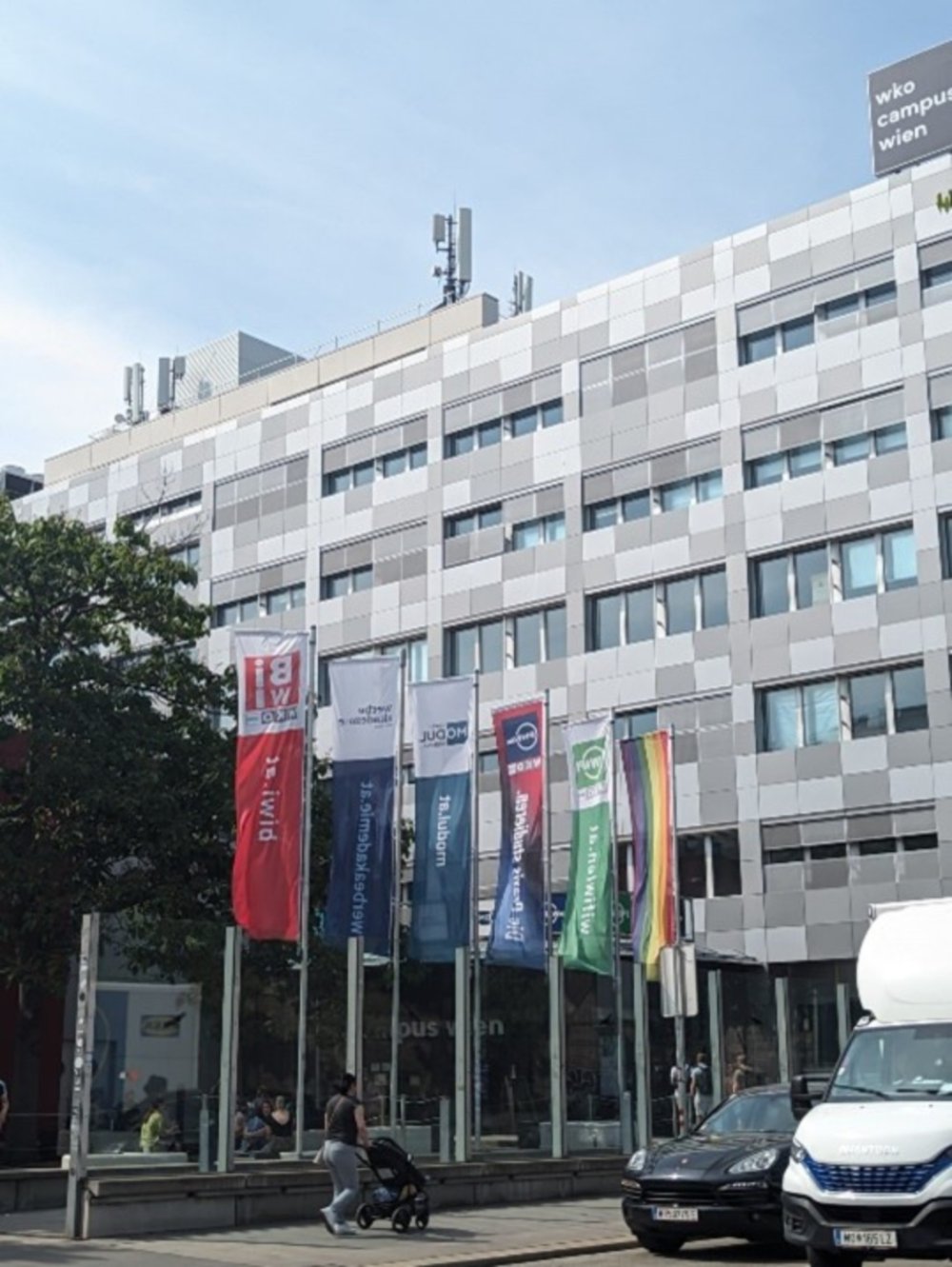
Naziv gostujoče institucije in kraj: FH Wien der WKW, Dunaj
Ime programa mobilnosti: Tourism Enterprise Management
Najpomembnejši nasveti
Moje glavno priporočilo za bodoče Erasmus študente je, da se ne bojite administracije. Potrudite se, da vse prijave, dokumente in ostale obveznosti oddate pravočasno, da se kasneje ne bi stresirali brez razloga. Posebej priporočam tudi, da pravočasno najdete nastanitev. Ponavadi Erasmus študenti pogosto pozabimo, da smo prišli tudi študirat in ne samo se zabavat, tako da priporočam, da si lepo izbalansirate študij s prostočasnimi aktivnostmi, saj se na gostujoči univerzi veliko lahko naučite in ustvarite koristne zveze. Nazadnje priporočam, da se zabavate, spoznate čim več ljudi, potujete, raziskujete in uživate v mestu, ki vam bo za nekaj časa novi dom.
Zakaj Avstrija?
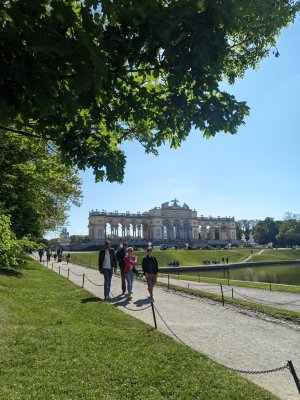
Izbrala sem partnersko univerzo v Avstriji, ker me že od otroštva zanimajo avstrijska kultura, zgodovina, umetnost ter življenje na Dunaju. Obenem sem želela izkoristiti priložnost za izboljšanje znanja nemškega jezika. Poleg tega partnerska univerza FH Wien ponuja širok izbor predmetov z različnih področij, kot so menedžment, komunikacije, novinarstvo in mediji, kar mi je bilo pomembno, saj sem želela razširiti kurikulum tudi izven turizma.
Mnenje o FH Wien der WKW
Imela sem zelo pozitivno izkušnjo na gostujoči univerzi. Veliko predavateljev niso nujno profesorji, temveč strokovnjaki s področij, ki jih poučujejo. Velik del profesorjev in predavateljev prihaja iz različnih držav sveta. Predmeti so večinoma usmerjeni v praktično učenje, kar mi je bilo zelo všeč, saj se izvajajo precej drugače kot pri našem programu na Turistici. Veliko stvari moraš narediti, organizirati in zasnovati sam; veliko je predstavitev in manj pisnih nalog. Univerza ni bila preobremenjujoča.
Možno je uskladiti obveznosti s faksa s prostim časom. Nekaj, kar mi je bilo posebej všeč na gostujoči univerzi, je to, da ima veliko prostorov, kjer se lahko učiš kar na univerzi.
Nastanitev
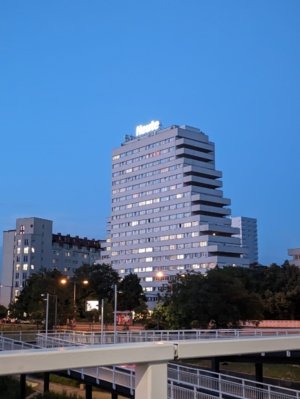
Nekaj mesecev pred začetkom mobilnosti sem se prijavila v različne študentske domove. Seznam sem našla na spletni strani univerze. Bila sem sprejeta v tri nastanitve. Moj izbrani dom je stal 400 evrov na mesec. Imela sem svojo sobo, stranišče sem delila s cimro, kuhinjo pa s celim nadstropjem. Dom je poleg tega ponujal tudi skupne prostore za učenje, druženje, zabavo, fitnes ter pralnico.
Če se odločate za bivanje v študentskem domu, priporočam da se prijavite čim prej, saj vsi delujejo na osnovi čakalne liste. Prej ko se prijavite, večja je verjetnost, da vas bodo do začetka mobilnosti sprejeli točno tam, kjer vam najbolj ustreza.
Stroški
Življenje na Dunaju je vsekakor dražje kot v Portorožu. Največjo razliko sem opazila pri cenah najemnin ter vsakdanjih potrebščin, kot so meso in druge osnovne živilske namirnice. Tudi pijača in kava v kavarnah sta občutno dražji.
Ena stvar, ki se mi je zdela zelo ugodna, je javni prevoz, ki stane približno 15 evrov na mesec. S to vozovnico lahko uporabljaš vlak, metro, avtobuse in tramvaje.
Erasmus+ sredstva so mi zagotovo pomagala pri kritju stroškov mobilnosti, vendar sama po sebi niso bila dovolj za popolno finančno pokritost. V vsakem primeru priporočam, da si pred izmenjavo nekaj privarčujete, da boste lažje pokrili stroške.
Kulinarika & študentska prehrana
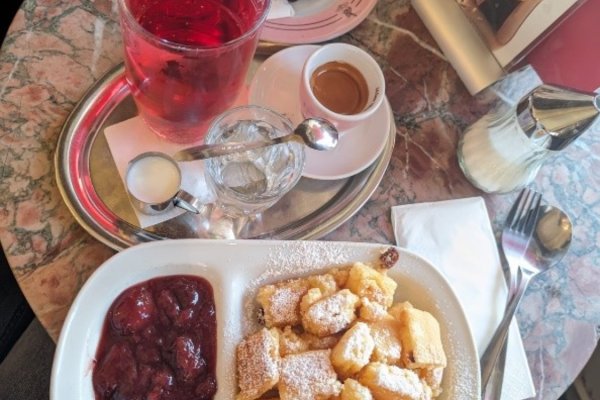
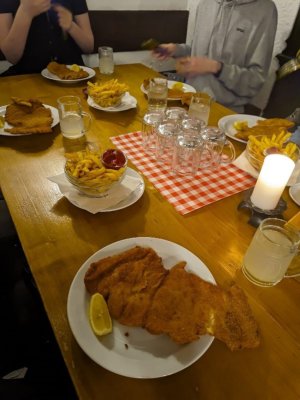
Tipična dunajska hrana vključuje dunajski zrezek, različne klobase, Käsespätzle (zapečene testenine s sirom), Sacher torto, jabolčni zavitek in Kaiserschmarrn (natrgane palačinke s slivovim kompotom). Poleg tega, ker je Dunaj veliko in zelo mednarodno mesto, boste imeli priložnost poskusiti avtentične jedi z vsega sveta.
Študentski boni v Avstriji ne obstajajo, obroki v menzah pa stanejo med 10 in 15 evrov, kar se mi je zdelo predrago. Večino časa sem kuhala v študentskem domu.
Urejenost javnega prevoza
Semestrska vozovnica za javni prevoz je stala 78 evrov in vključuje vse oblike javnega prevoza po Dunaju. Najhitrejši način prevoza sta metro in vlak, zelo dobro pa delujejo tudi avtobusi in tramvaji. Vse je čisto, točno in po mojem mnenju dobro organizirano.
Stereotipi, prvi vtisi in realnost?
Edini stereotip, ki sem ga opazila, preden sem prišla v Avstrijo, je, da naj bi bili Avstrijci zaprti, zadržani ali zategnjeni. Pri moji izkušnji se to ni izkazalo za resnično. Avstrijski študenti so nas lepo sprejeli in z nami lepo sodelovali, medtem ko je bilo lokalno prebivalstvo zelo kulturno in prijazno.
Pred odhodom sem slišala tudi, da je Dunaj zelo urejeno, čisto in varno mesto. To se je v veliki meri izkazalo za resnično, ampak v vsakem mestu obstajajo določena območja, ki veljajo za manj urejena ali nevarna. Kljub temu sama nisem imela nobene negativne izkušnje.
Lokalna kultura in navade
Dunaj je zelo kulturno mesto, zato je tudi pričakovano vedenje zelo formalno in spoštljivo do drugih. Dunajčani cenijo mir, urejenost, točnost in upoštevanje pravil. Glasno govorjenje ni zaželeno, smeti se odlagajo tja, kamor sodijo, ponoči mora biti tišina.
Kavarniška kultura je zelo pomemben del dunajske kulture. V klasičnih dunajskih kavarnah kakovost kave ni toliko pomembna, pomembno je druženje, branje ali delo. V takšnih kavarnah je izbira običajno omejena, na voljo so predvsem klasične različice (espresso, macchiato, cappuccino). Moj nasvet je: ne hodite v takšne kavarne, če bi radi naročali ledeno kavo ali posebne kave, ker vas bodo čudno pogledali.
Ena zanimiva stvar, ki sem jo opazila, je, da imajo Dunajčani zelo radi svoje pse. Psi so dovoljeni skoraj povsod: v javnem prevozu, večini restavracij in kavarn, pa tudi v nakupovalnih centrih.
Zanimivi kraji & aktivnosti
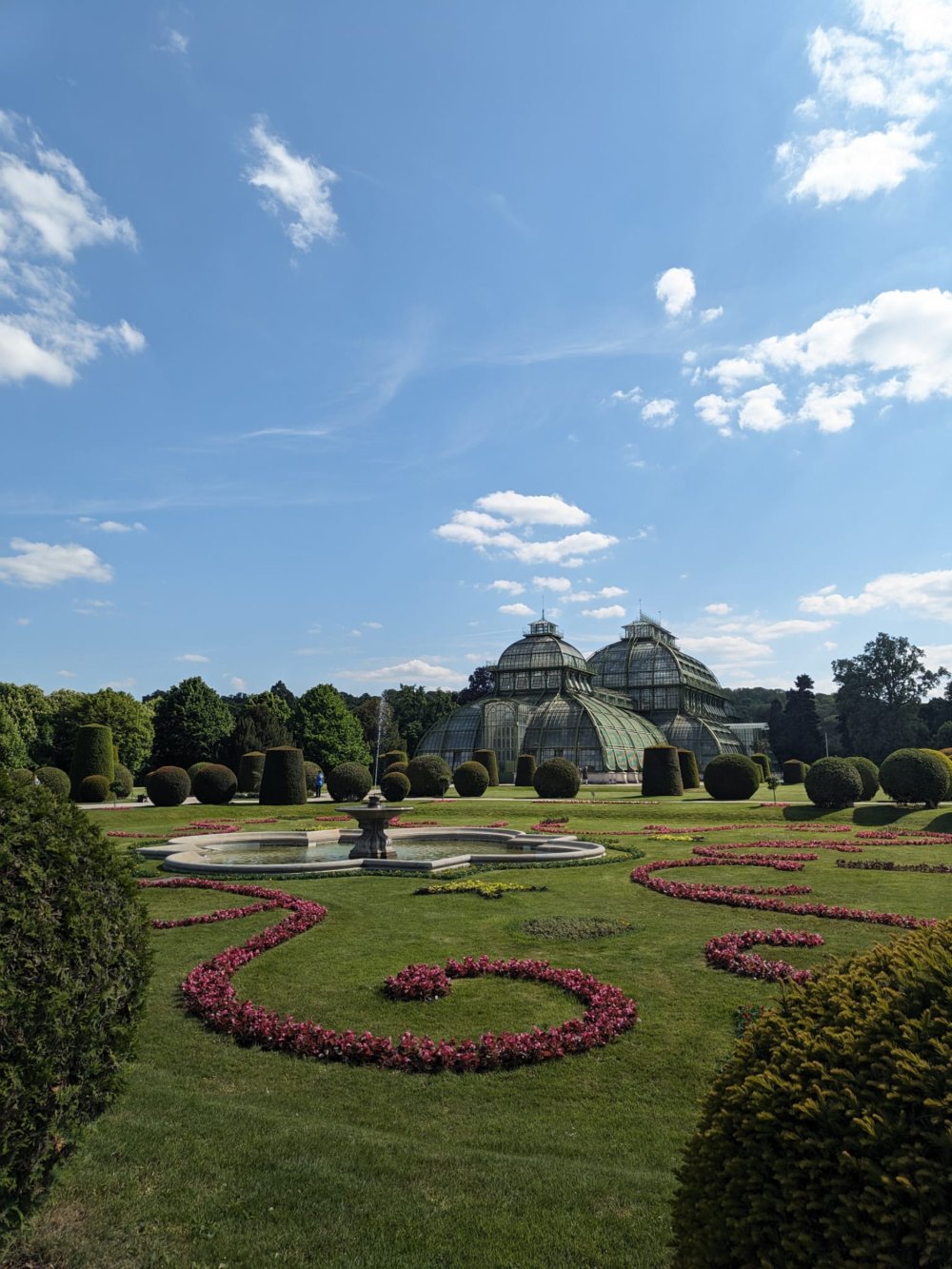
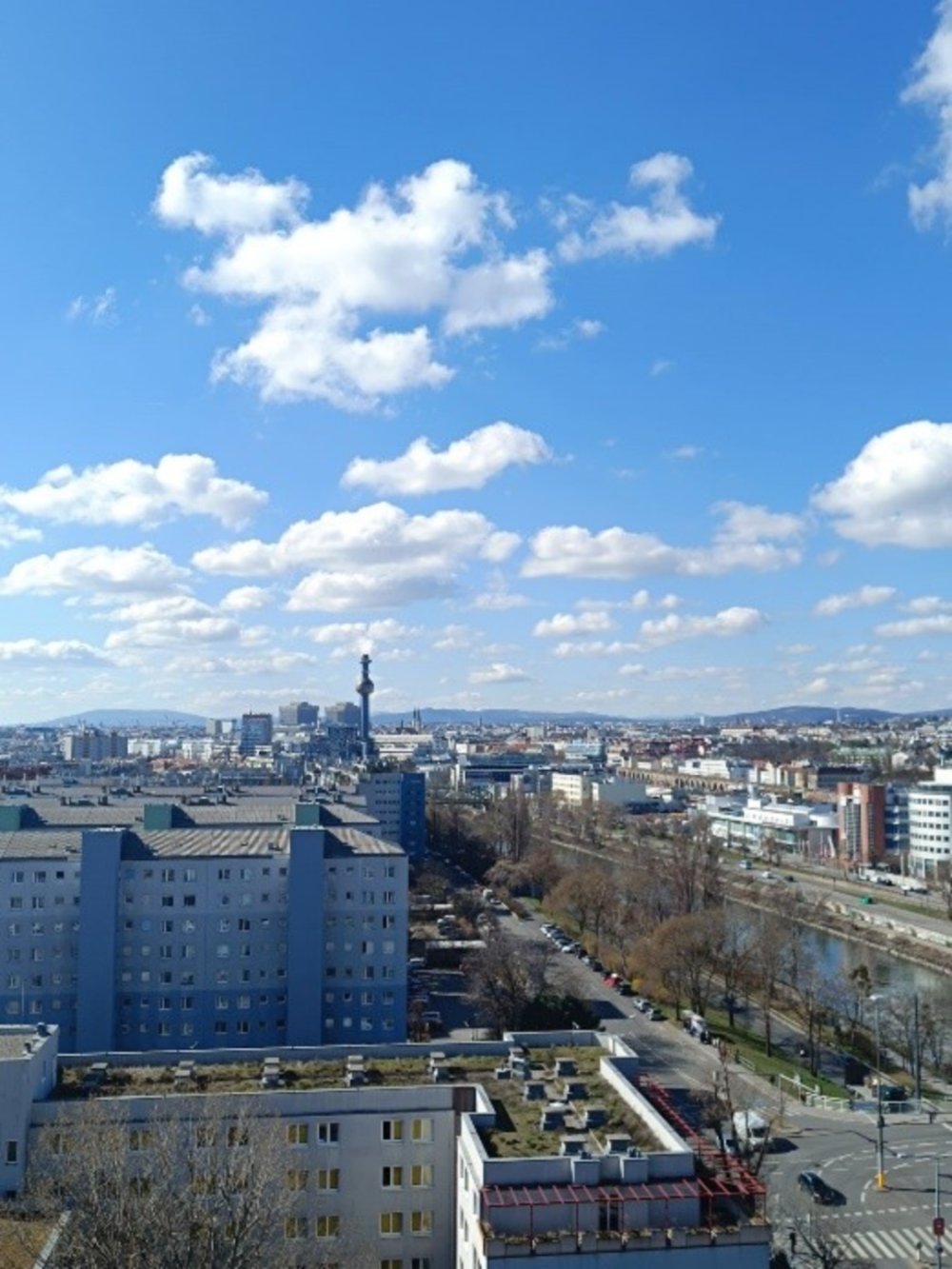
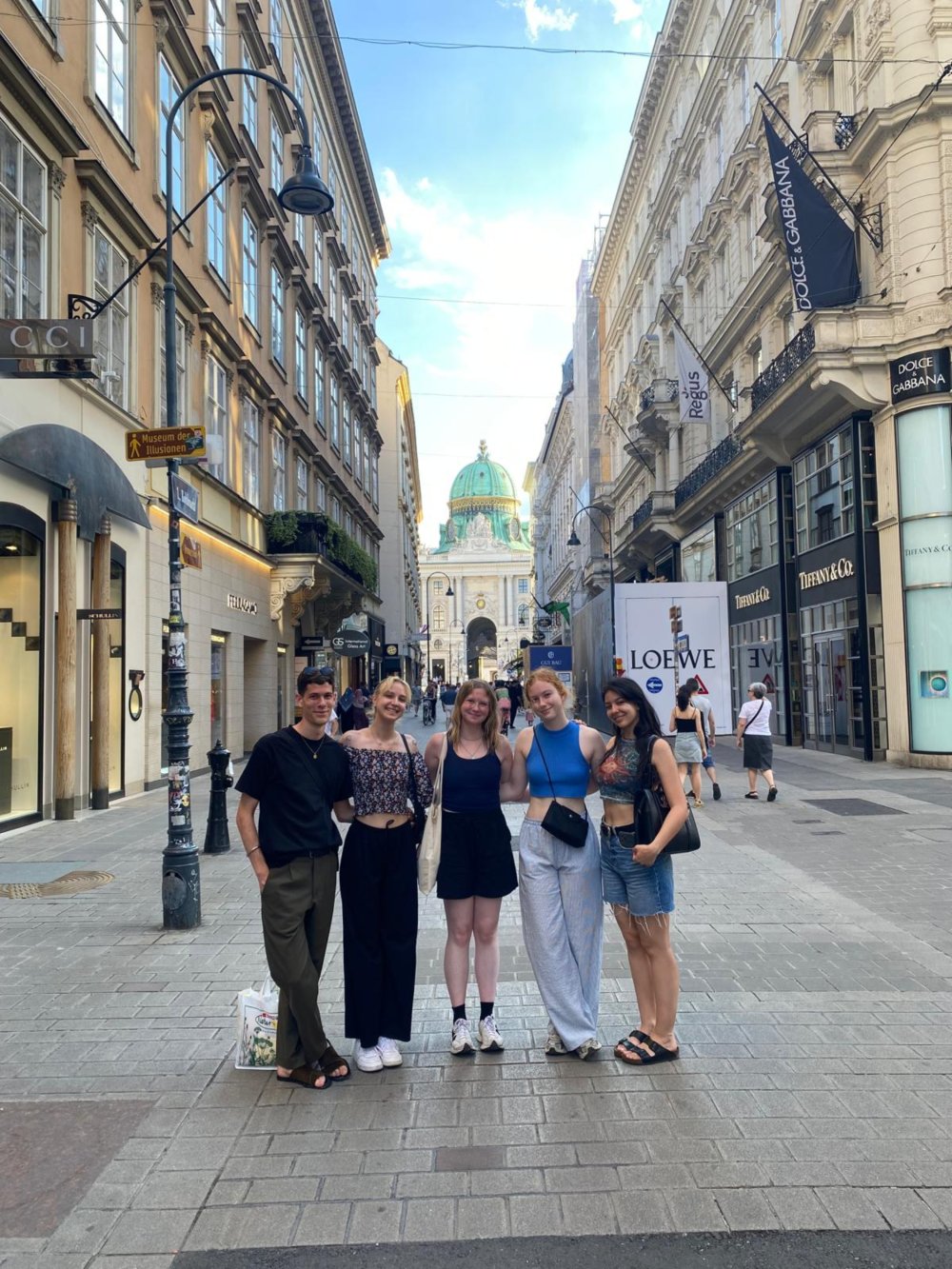
Dunaj je zelo vsestransko mesto. Če želite občutek živahnega glavnega mesta, greste lahko v center, ki je vedno poln ljudi in dogajanja. Če pa si želite mir in stik z naravo, imate na voljo veliko parkov in zelenih površin. Eno takšnih krajev je Donavski otok, idealen za tek, piknik ali celo kopanje. Dunaj ima nekaj urejenih mestnih plaž, in kopanje v Donavi je odličen način za osvežitev v poletni vročini.
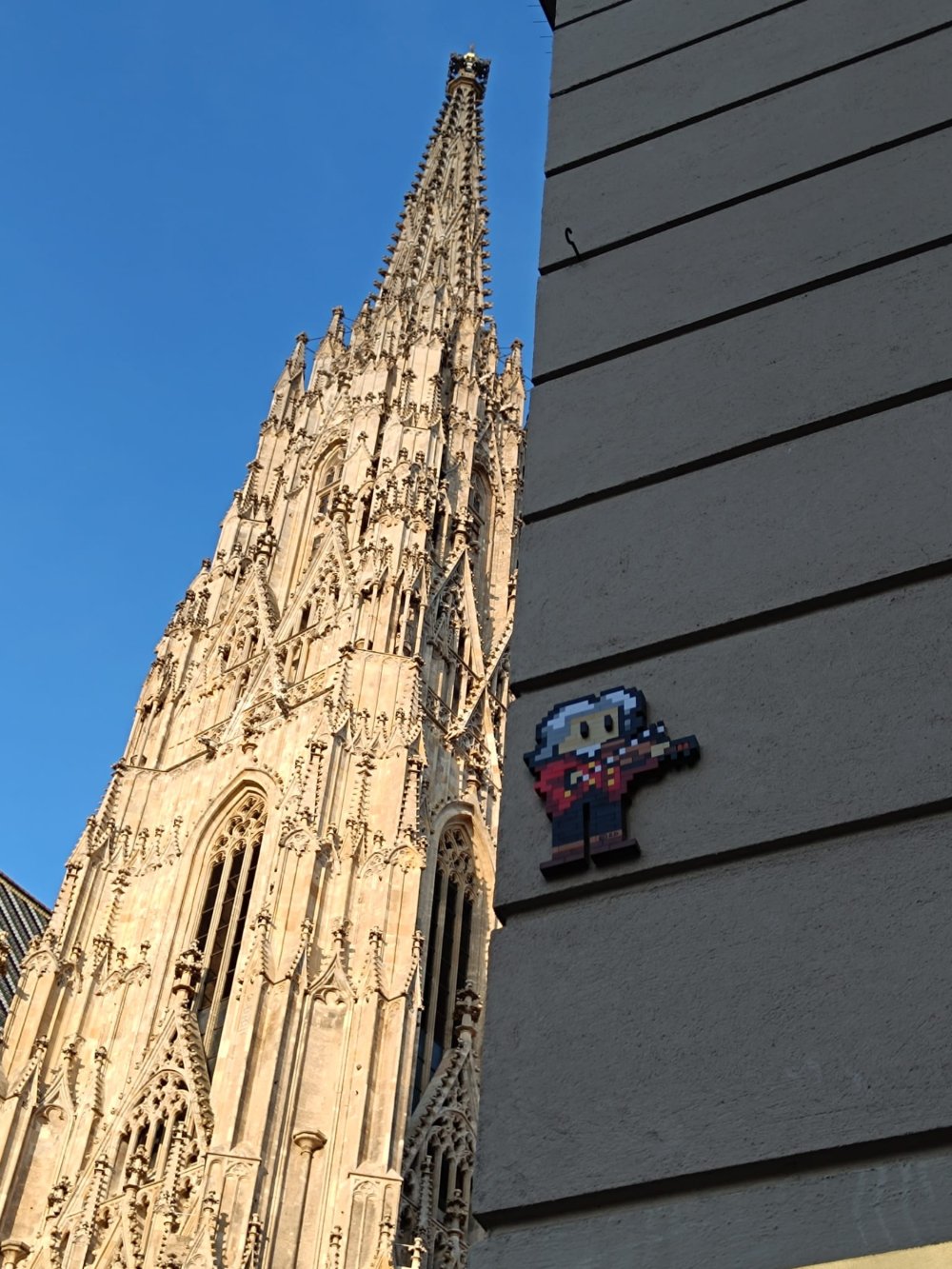
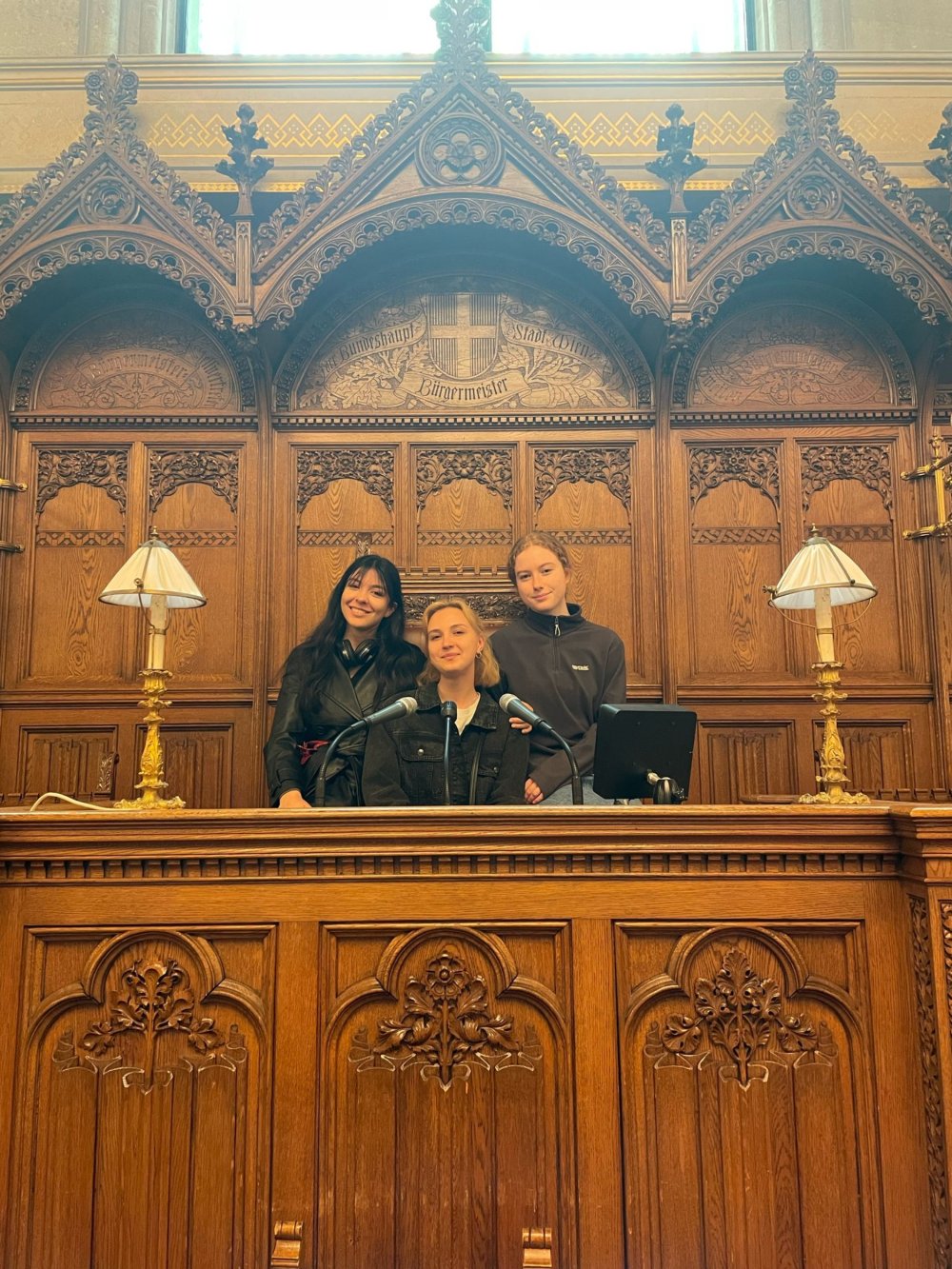
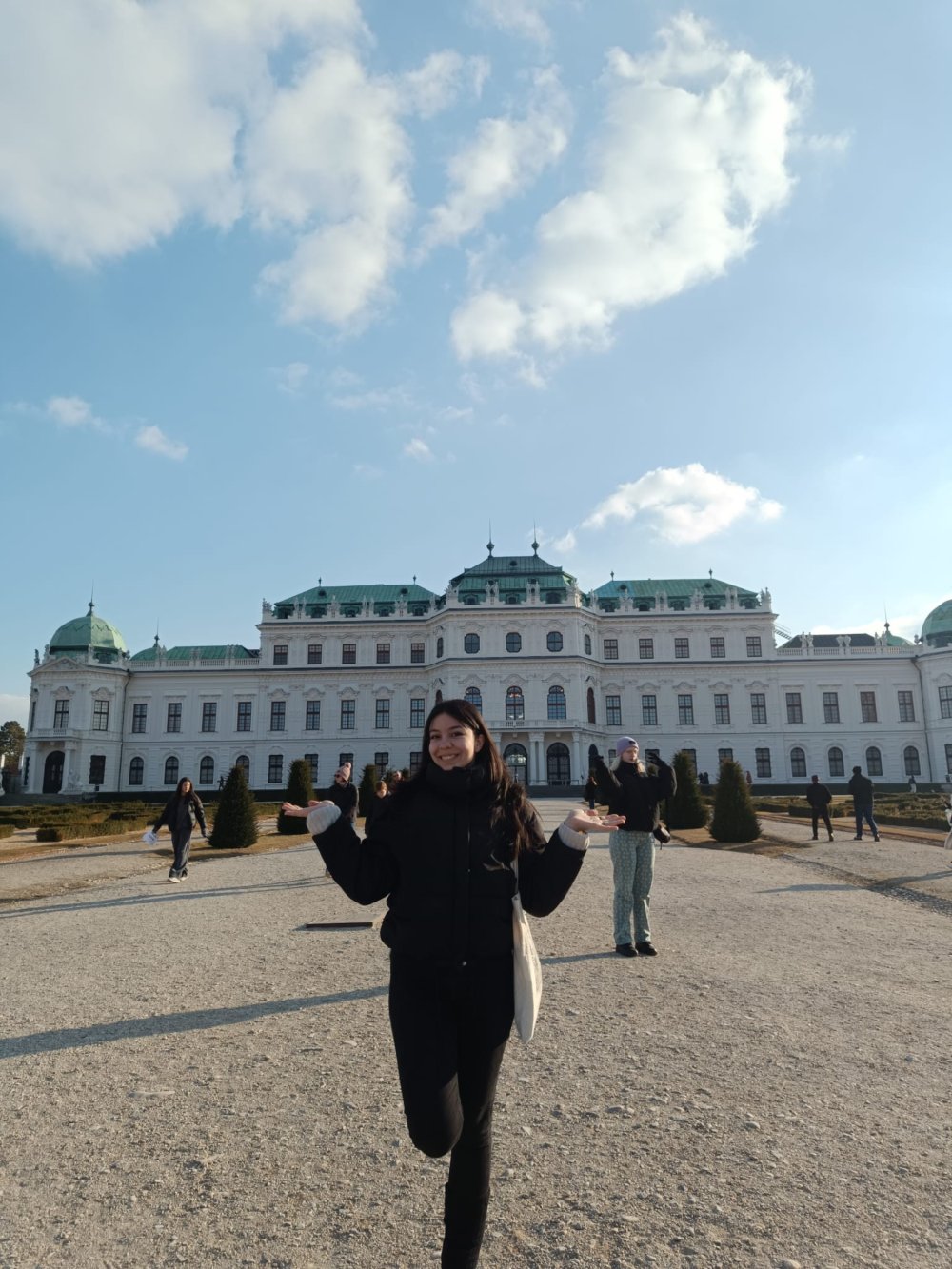
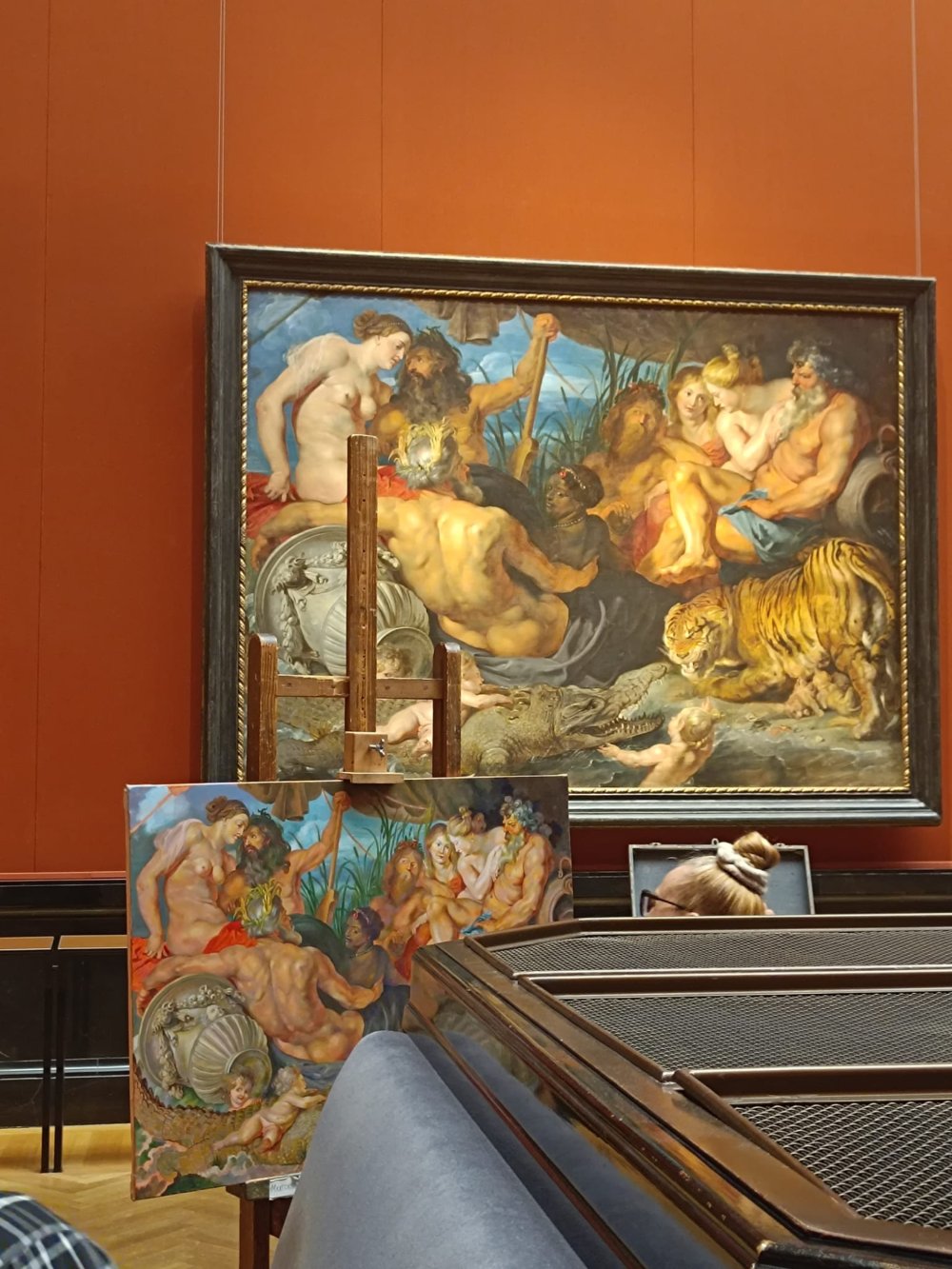
Mesto je tudi polno različnih muzejev, mislim, da lahko vsak najde vsaj nekaj, kar ga zanima. Mene je posebej presenetil Weltmuseum, za katerega prej sploh nisem slišala, čeprav sem Dunaj že obiskala. Gre za izjemno velik in bogat muzej z razstavami iz različnih svetovnih kultur, res opravičuje svoje ime. Še ena kulturna aktivnost, ki bi jo priporočila vsem študentom, ki pridejo na Dunaj, je obisk vsaj ene predstave, klasičnega koncerta ali opere. Dunaj je znan po visoki kakovosti kulturne ponudbe in nastopi so res neverjetni.
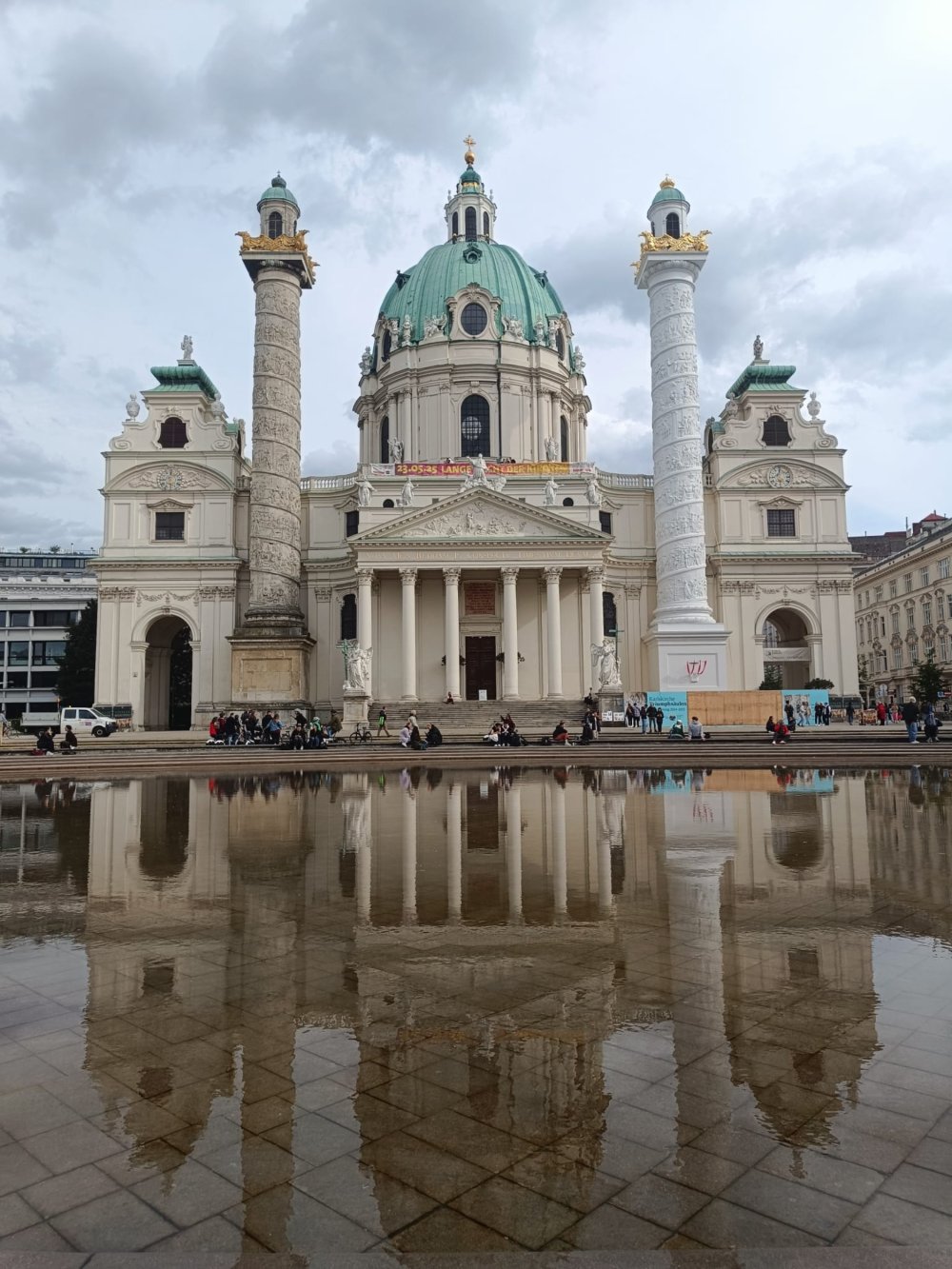
Ker je glasba tako pomemben del dunajske identitete, veliko ljudi spregleda, da je v določenih cerkvah možno poslušati brezplačne koncerte zborov ali orgel. Potrebno je samo malo raziskati in preveriti program na spletnih straneh posameznih cerkva.
Dunaj ponuja tudi veliko mestnih pohodniških poti, ki so dostopne z javnim prevozom. Na vsaki poti lahko odtisnete žig na svoj "Wanderpass", in če jih zberete dovolj, kot darilo dobite broško. To je zanimiva aktivnost za raziskovanje narave in pobeg iz mesta.
Življenje po predavanjih
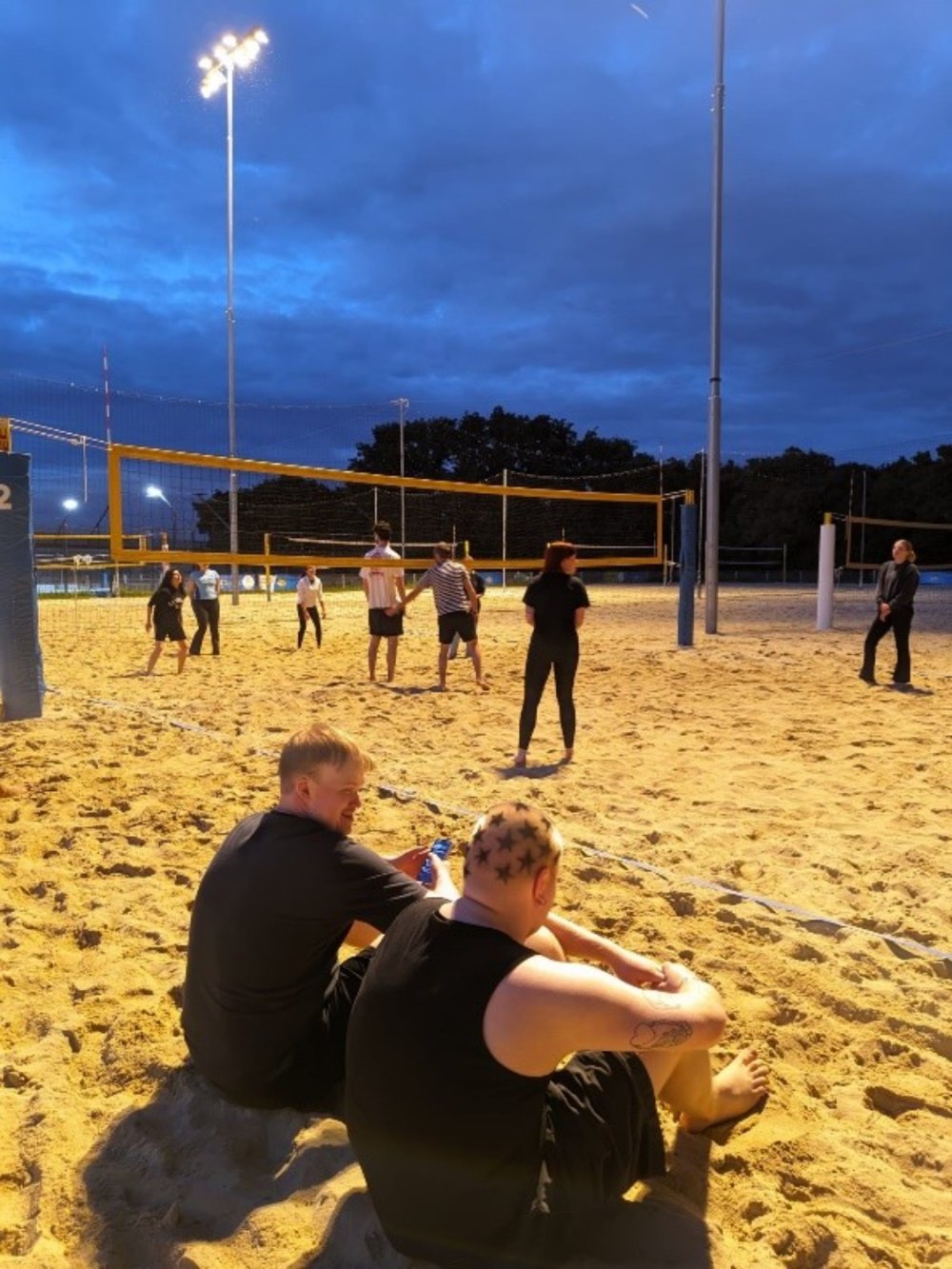
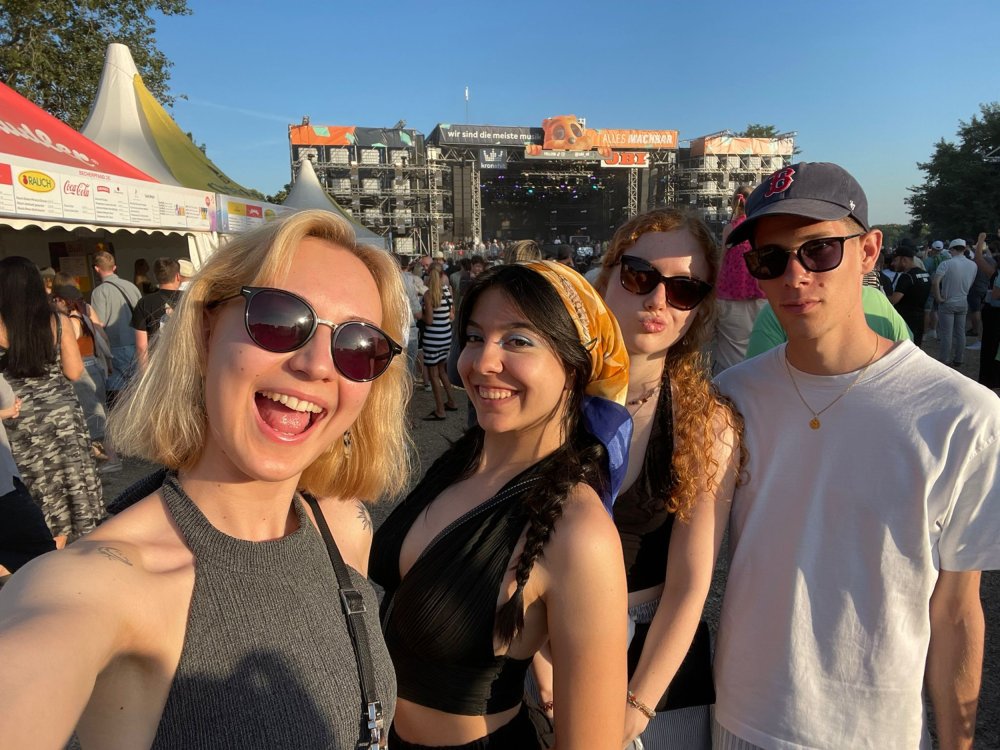
Čeprav sem predavanja na začetku imela skoraj vsak dan, mi je vseeno po njih ostalo dovolj časa za druge aktivnosti. Veliko je aktivnosti in dogodkov, kot so pub kvizi, beer pong turnirji, filmski in karaoke večeri, skupni obiski muzejev ter zabave, ki jih organizira Erasmus Student Network, zato mi nikoli ni bilo dolgčas. Počasi si ustvariš tudi svojo skupino prijateljev, s katerimi raziskuješ druge stvari in aktivnosti po mestu in okolici. Seveda imate tudi čas za potovanje zunaj mesta in države.
PROS
- Lepo, čisto in varno okolje
- Dobra izhodiščna točka za potovanja po Evropi
- Kulturno bogato mesto
- Veliko mednarodnih študentov
- Veliko parkov in narave
- Kakovostno izobraževanje
CONS
- Visoki stroški življenja
- Manj pestro nočno življenje
- Veliko administracije
Za konec
Z mojo izmenjavo sem bila zelo zadovoljna in bi jo brez pomislekov ponovila. Prav zato mi je težko našteti še več slabih strani, kot sem jih že omenila. Erasmus bi vsekakor priporočila vsem, saj je v vsakem pogledu nepozabna izkušnja. Morda je na začetku stresno in strašljivo, vendar boš na koncu ponosen nase, ker si uspel obvladati novo okolje, novo univerzo in si ob tem spoznal ter ustvaril prijateljstva z ljudmi z vsega sveta.
Avtorica: Anisija Firevski
Foto: osebni arhiv