Green Dialogues in Tourism

GREEN DIALOGUES IN TOURISM

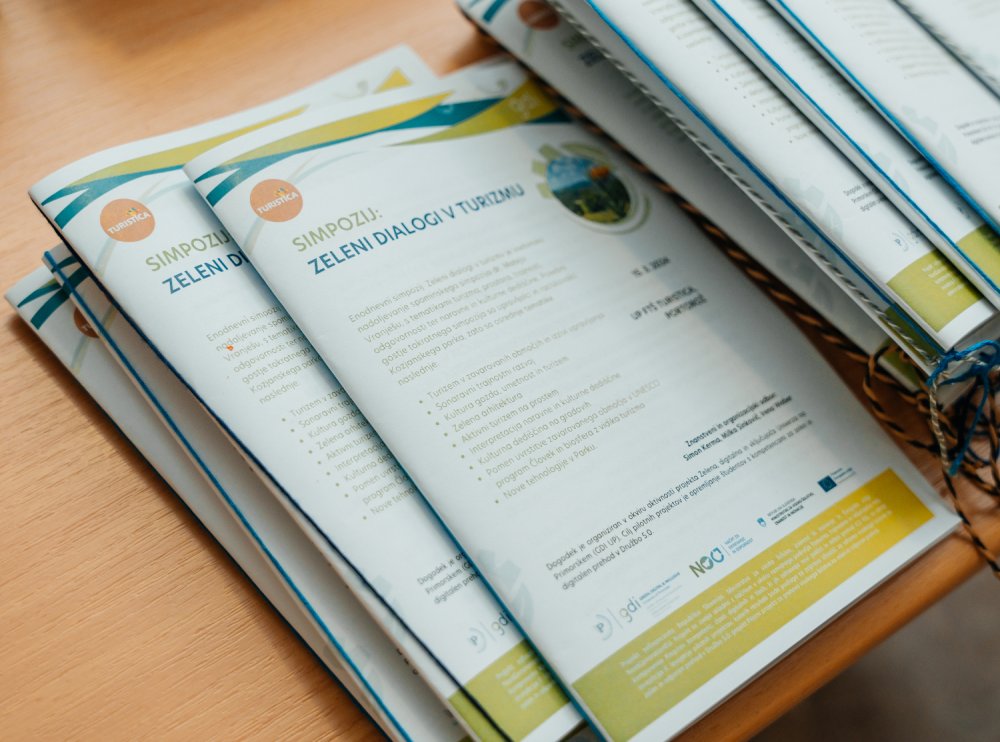
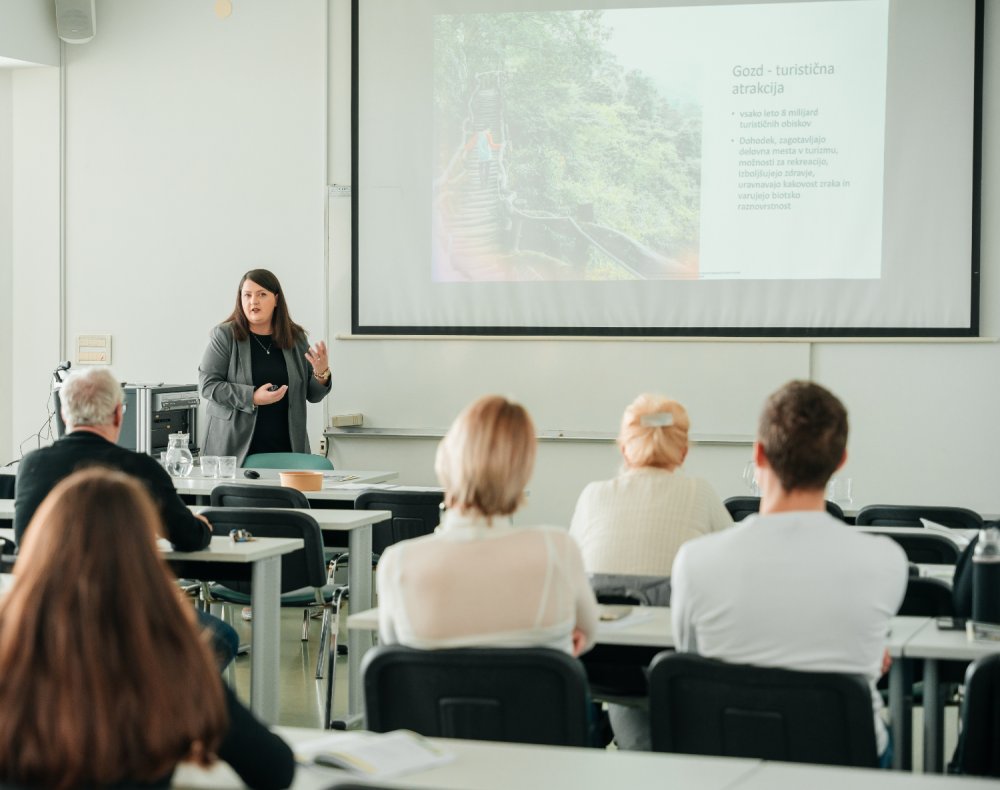
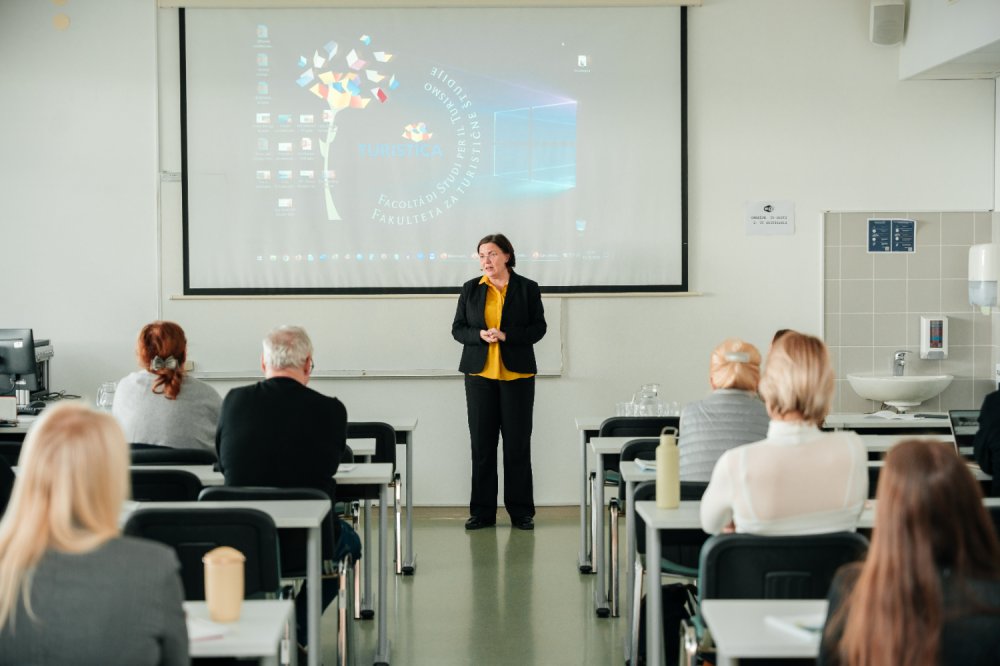
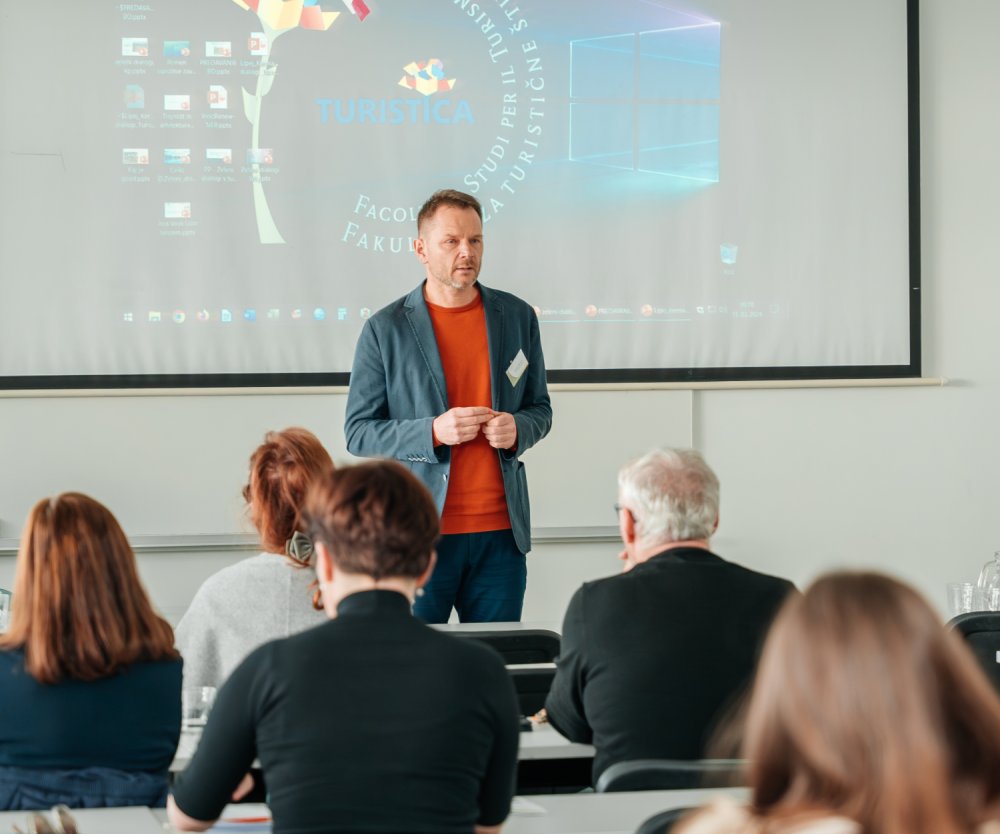
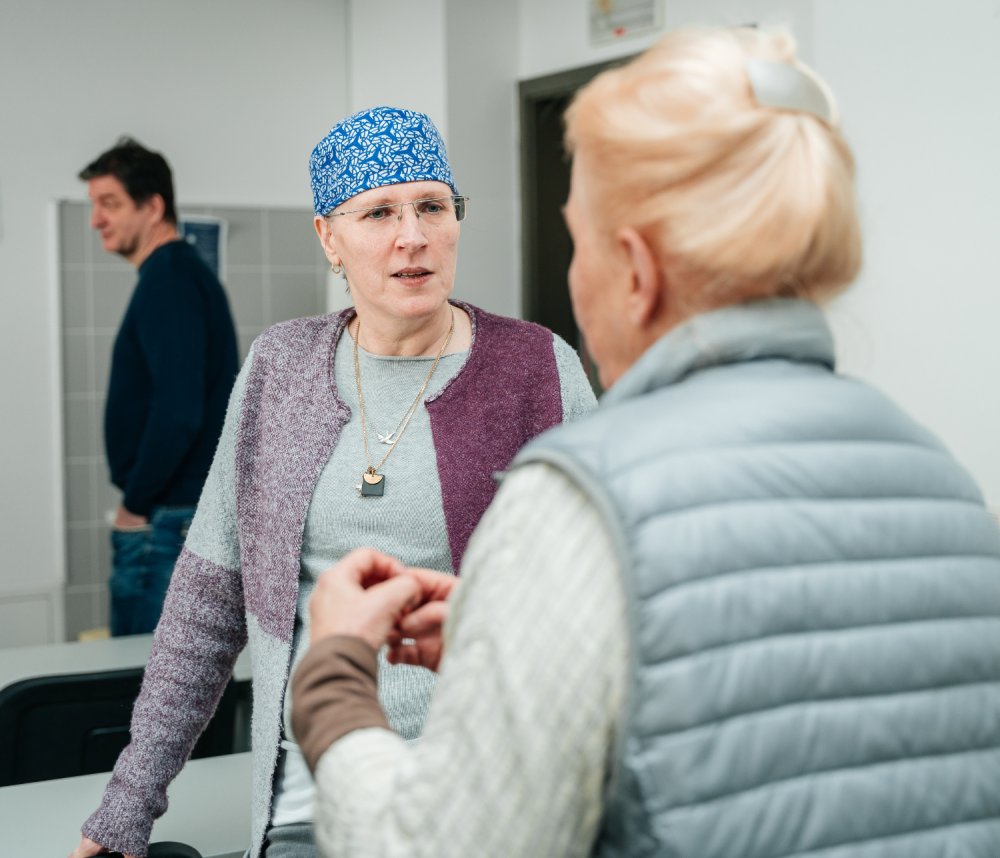
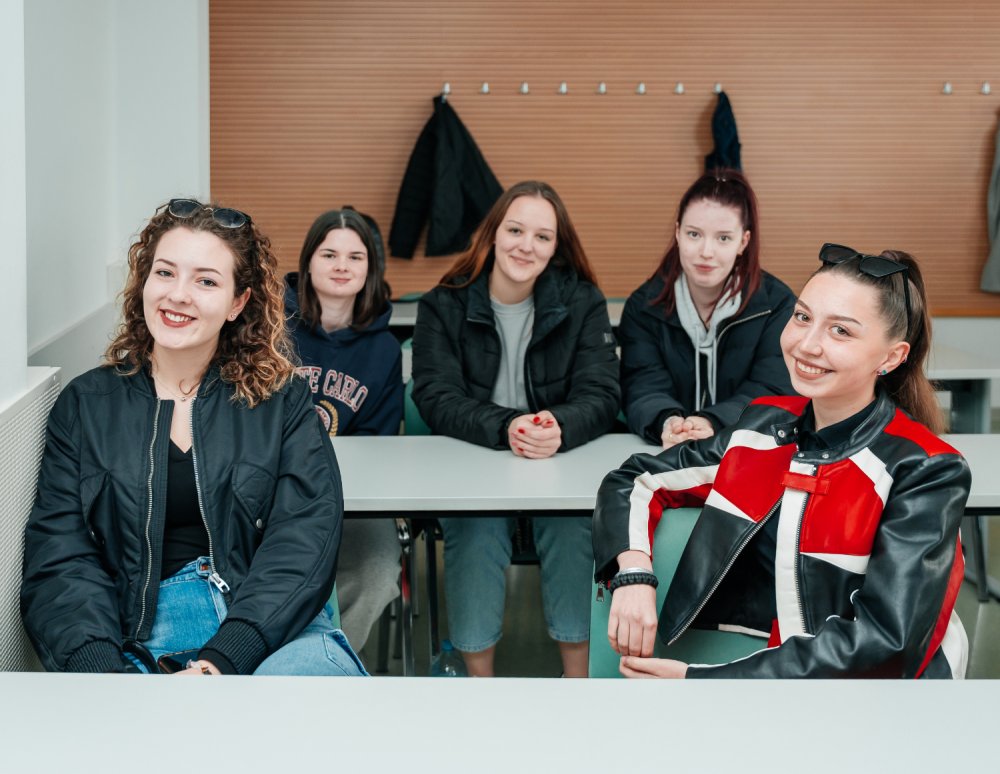
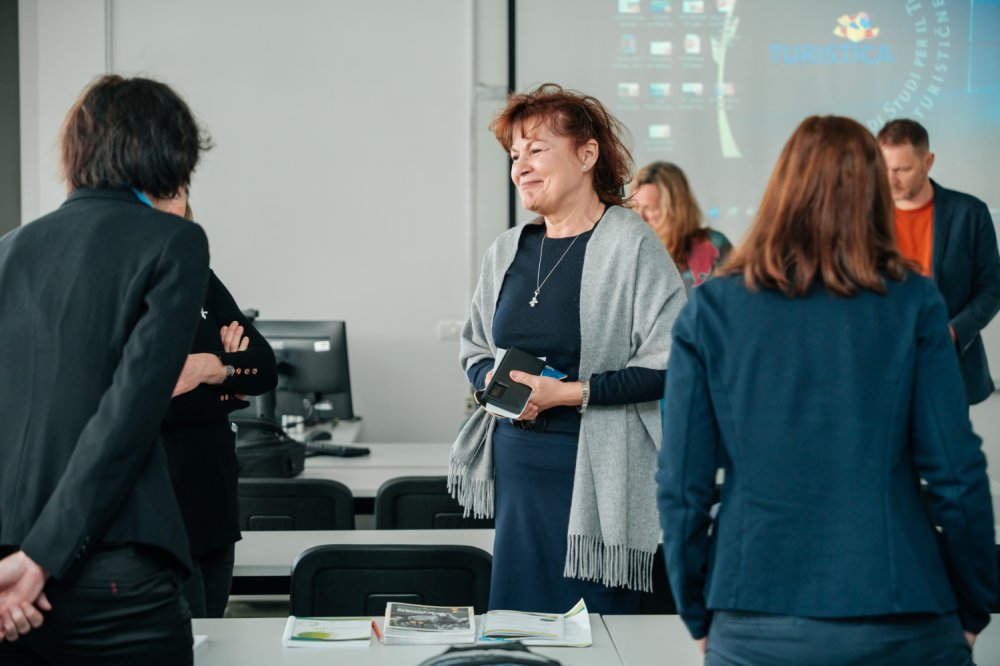
UP Faculty of Tourism Studies  Turistica - On Friday, March 15, 2024, we held a one-day symposium entitled Green Dialogues in Tourism. Together with guests from Kozjanski Park, we presented topics of tourism, space, sustainability, responsibility, as well as natural and cultural heritage to employees, students, graduates, and other interested parties. This event represents a continuation of the thematic symposium dedicated to our late colleague, Dr. Matej Vranješ, as the discussed topics are related to his research interests. Furthermore, the symposium was integrated into the activities of the Green, Digital, and Inclusive University of Primorska (GDI UP) project. The aim of the pilot projects is to equip students with competencies for a green and digital transition towards Society 5.0.

At the symposium, contributions were presented by participants from Turistica in Portorož, the Public Institute Kozjanski Park, DOPPS - Birdlife Slovenia, the Faculty of Humanities at the University of Primorska, InnoRenew CoE institute, the Faculties of Arts at the University of Ljubljana and the University of Maribor, the Faculty of Tourism at the University of Maribor, the Higher Vocational College for Hospitality, Wellness, and Tourism in Bled, the Biotechnical Faculty at the University of Ljubljana, the ZRC SAZU center, as well as other independent artists and architects. The symposium was divided into four sections.

The first section focused on protected areas, with a special emphasis on Kozjanski Park, addressing issues of their management, the specifics of biosphere reserves, their inclusion in the UNESCO program, and a case study of good practice from the Škocjanski Zatok nature reserve. The second section addressed the topics of public and protected areas, sustainability, and the principles of the New European Bauhaus from the perspective of art and architecture. Three artistic projects highlighted the close connection between the transformation of public spaces and the involvement of the local community. Sustainable architectural examples were linked to a new tourist guide of Slovenia, which visually highlighted examples of good architectural practices in renovating existing buildings and preserving cultural heritage. The principles of the New European Bauhaus were presented through a project involving the planning, construction, and use of the InnoRenew institute building in Izola, which is a finalist for the NEB 2024 award. The third section focused on forest themes, ranging from a historical reflection on the concept and construction of the forest imaginary, through forest therapy and outdoor active tourism, to the potential of art for creative learning in the forest. Forest tourism, or tourism related to forests, poses new challenges and requires innovative approaches in the field of tourism studies. The fourth section addressed the current issue of the use of generative artificial intelligence in connection with heritage interpretation in protected natural areas, the presentation of educational tourism to provide green and digital competencies, a comparative study of the impact of sustainable tourism in protected areas, and the issue of coexistence between local residents and tourists in Slovenian Istria. The section concluded with a contribution that highlighted the problem of merely nominal advocacy for sustainability amidst unsustainable practices stemming from an ill-conceived tourism strategy at the national level, through an analysis of conflicts arising from cruise tourism in Koper.

Dr. Irena Weber, a member of the organizing and scientific committee, emphasized the importance of the participation of experts from various disciplinary fields in innovative and synoptic collaboration, which introduced specific approaches to topics that students at Turistica would not otherwise have the opportunity to encounter in their regular studies. In this regard, the involvement in the Green, Digital, and Inclusive University of Primorska (GDI UP) project is of crucial importance.

The symposium is also the result of collaboration between the Department of Cultural Tourism at Turistica and UNESCO partners, this time with the Public Institute Kozjanski Park, with whom a joint exhibition was also prepared at the Faculty. "The Public Institute Kozjanski Park and Turistica continue their dialogues. This time we were invited as special guests to the Green Dialogues in Tourism symposium. We are pleased and grateful for the opportunity to present the protected area of Kozjanski Park and the UNESCO Biosphere Reserve of Kozjansko and Obsotelje. The symposium has raised new dilemmas, questions, and challenges, which we hope to address within a broader consortium of experts," said Barbara Ploštajner from the Public Institute Kozjansko.

The symposium represents just one step towards raising awareness about sustainable tourism and responsible attitudes towards natural and cultural heritage. The discussions and contributions of the participants have clearly highlighted the complexity of the challenges facing tourism today, while also emphasizing the possibilities for sustainable development. Advocating for common goals of sustainable tourism is crucial, both for preserving the natural environment and for achieving high-quality tourism offerings. The significant engagement and collaboration of experts from various fields indicate potential for further innovations and improvements in the tourism industry. It has become evident that green dialogue in tourism is essential and that caring for the environment and cultural heritage is crucial for the future of tourism.

Members of the Chair of Cultural Tourism believe that the Green Dialogues in Tourism will become the basis for a biennial symposium grounded in the humanistic exploration of tourism and aligned with the Faculty's sustainable, innovative, and creative orientation.

The project is co-financed by the Republic of Slovenia, the Ministry of Higher Education, Science and Innovation, and the European Union – NextGenerationEU. The project is implemented in accordance with the Recovery and Resilience Plan (RRP) under the development area Smart, Sustainable and Inclusive Growth, component Strengthening competencies, in particular digital competencies and those required by the new professions and the green transition (C3 K5), for the investment measure Investment F. Implementation of pilot projects, the results of which will serve as a basis for the preparation of a roadmap for the reform of higher education for a green and resilient transition to a Society 5.0: project Pilot Projects for the Reform of Higher Education for a Green and Resilient Transition.