Safety in Tourism Begins Before an Incident Occurs

  • Home
  • News
  • Safety in Tourism Begins Before an Incident Occurs

Safety in Tourism Begins Before an Incident Occurs

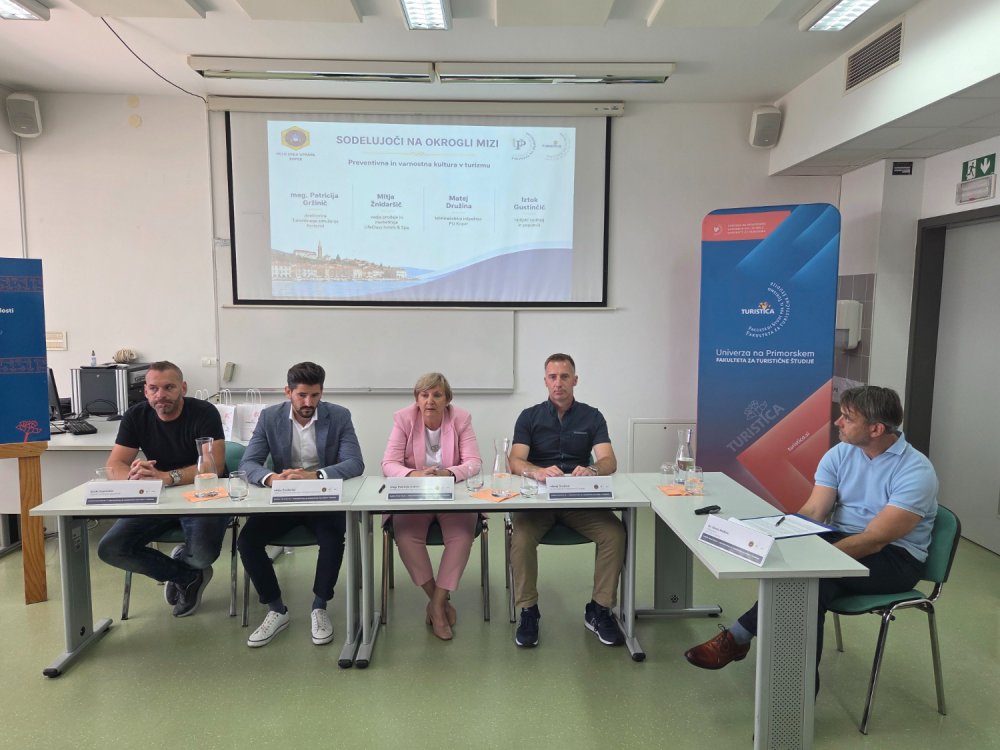
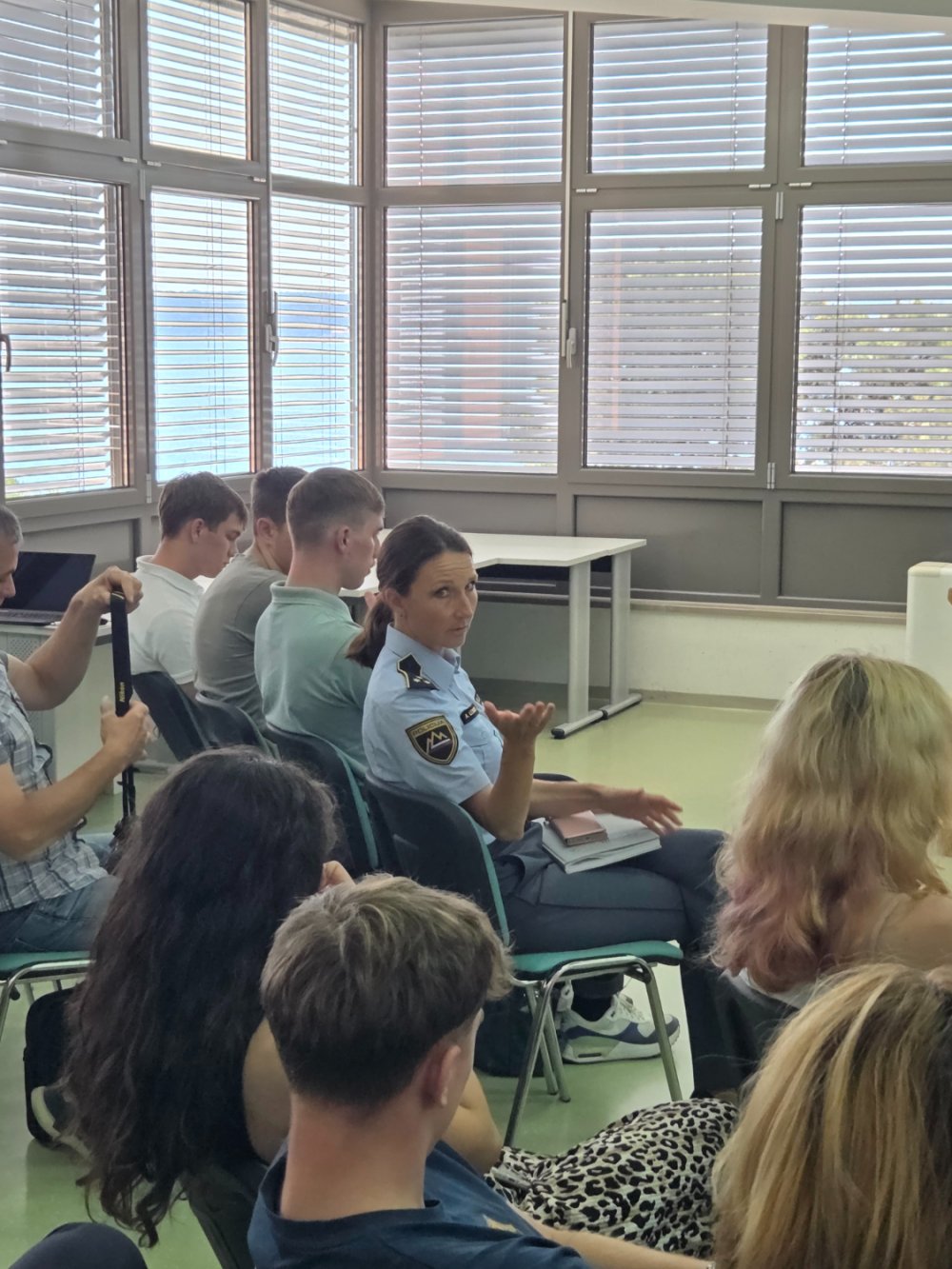
The Koper Police Directorate and the University of Primorska Faculty of Tourism Studies – Turistica organised the expert consultation Prevention and Safety Culture in Tourism as part of the preventive campaign Safe Summer. During the event, experts highlighted that safety is becoming one of the key elements of a high-quality tourism experience.

The event emphasised the importance of prevention and timely action in ensuring a safe tourism environment. Speakers stressed that modern destinations can no longer approach safety merely through responding to incidents, but primarily through creating a culture that identifies and reduces risks before they occur.


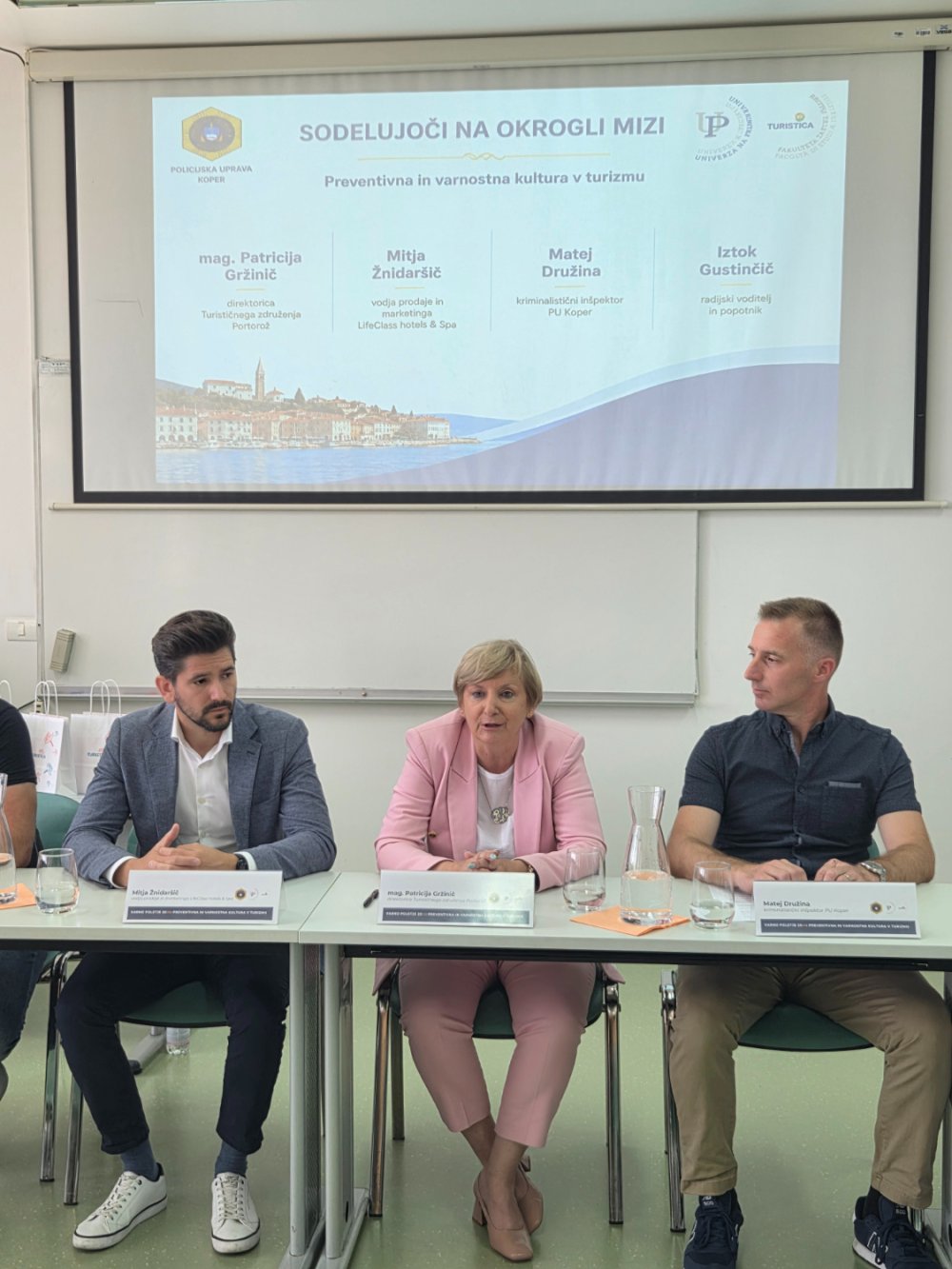
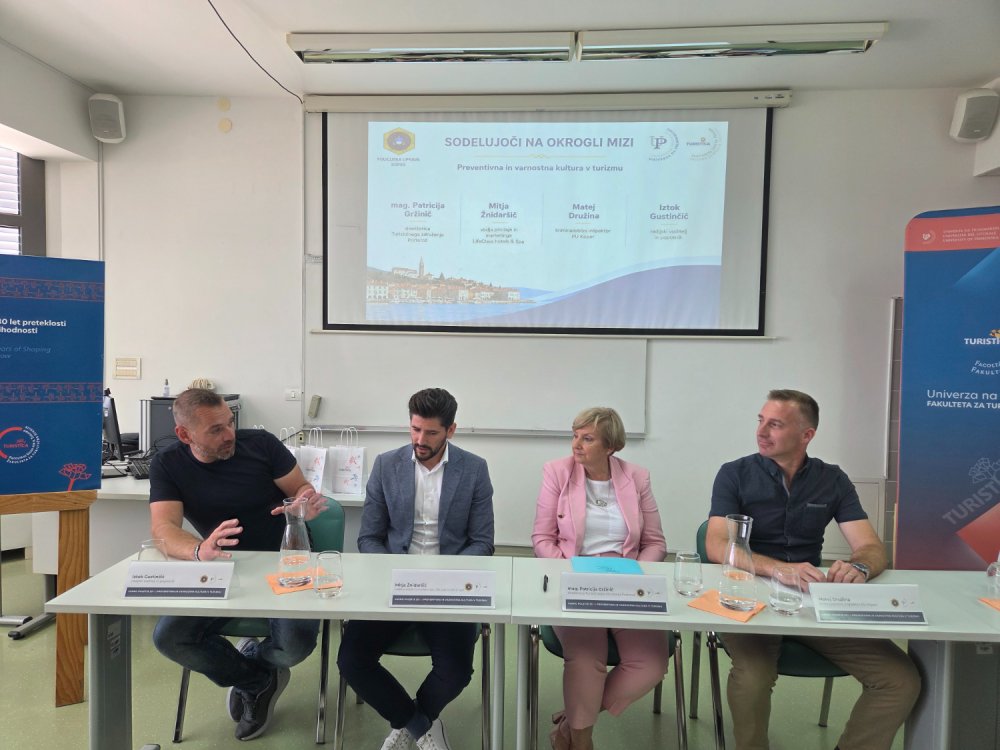
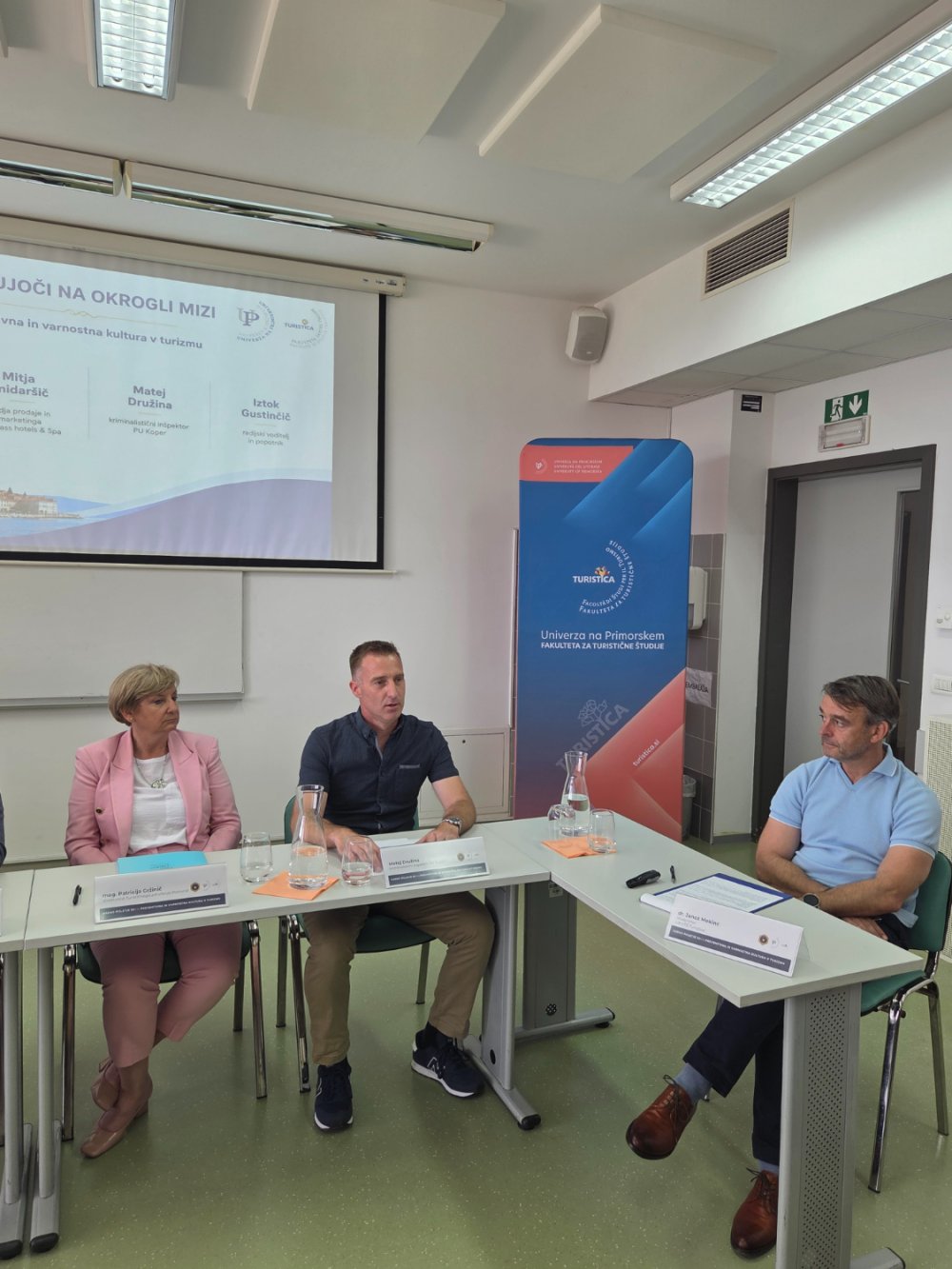
The discussion, moderated by Dr. Janez Mekinc from the University of Primorska Faculty of Tourism Studies – Turistica, featured Mitja Žnidaršič from LifeClass Hotels & Spa, mag. Patricija Gržinič, Director of the Tourist Board Portorož, Matej Družina, criminal inspector at the Koper Police Directorate, and Iztok Gustinčič, radio host and traveller.

Matej Družina from the Koper Police Directorate explained that the number of criminal offences in the region has been decreasing in recent years. He stressed the importance of self-protective behaviour in all areas of life. According to him, every individual plays an important role in maintaining safety, as we can all act as so-called “natural guardians” of public spaces. Anyone can either proactively warn tourists about potential risks or provide them with concrete information on where to seek assistance.

Mitja Žnidaršič highlighted that maintaining a high level of safety requires tourism professionals to have a strong understanding of the destination, the local culture, and continuous training in this field. He emphasised that education is no longer a one-time activity, but an ongoing trend and necessity.

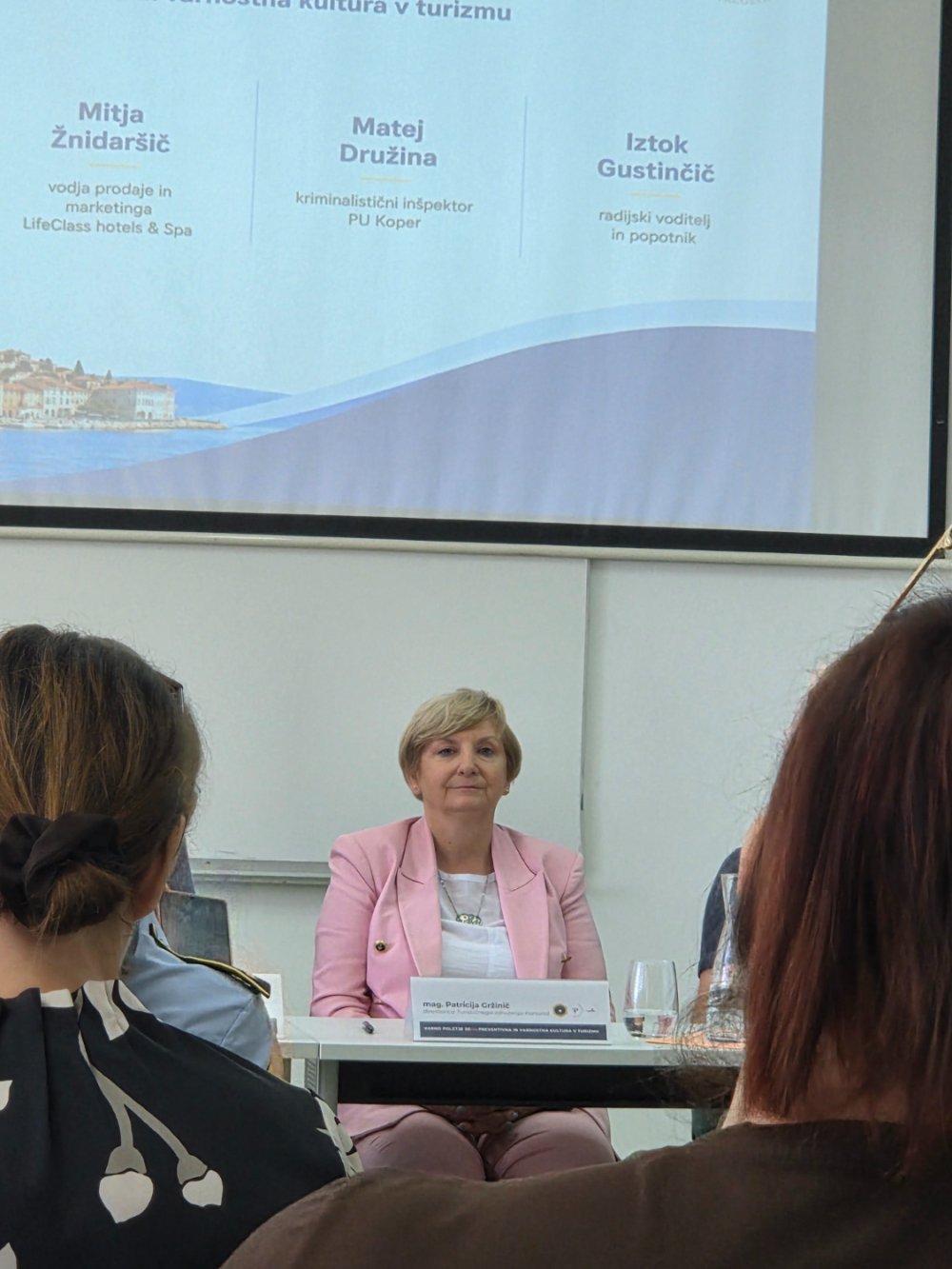
Mag. Patricija Gržinič pointed out that the perception of safety significantly affects the reputation of Portorož and Piran as destinations, as well as their long-term attractiveness. She particularly stressed that safety risks are lower when destinations are not overcrowded, which is why visitors should be encouraged to explore less congested areas.

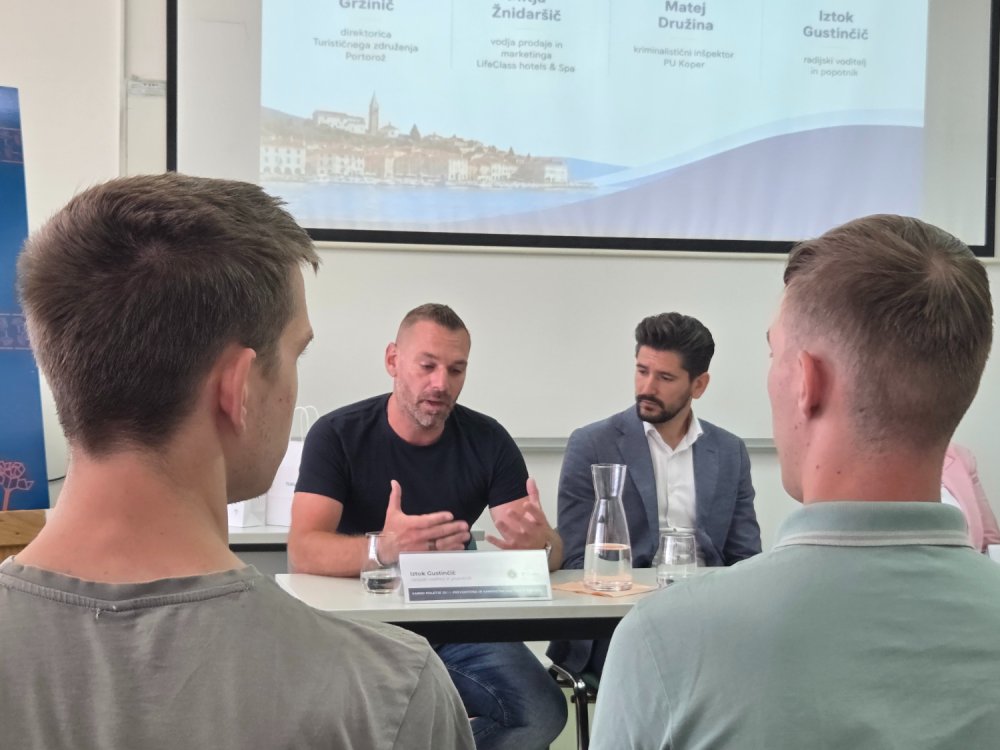
When asked about the feeling of safety while travelling, Iztok Gustinčič explained that the first hours at a destination and the initial contact with local people are the most important. Drawing from his extensive travel experiences, he emphasised the importance of following basic safety standards, which can help prevent many incidents. He also expressed his strong belief that Slovenia is a very safe country.

All representatives from the tourism sector and the police agreed that tourism employees are often the first point of contact for visitors and therefore play a key role in creating a sense of trust and safety. The discussion also addressed how to preserve a safe and pleasant tourism environment before problems arise — challenges that many overcrowded international destinations are already facing today. “Prevention is most effective when it is timely, coordinated, discreet, and encourages self-protective behaviour,” emphasised Dr. Janez Mekinc.

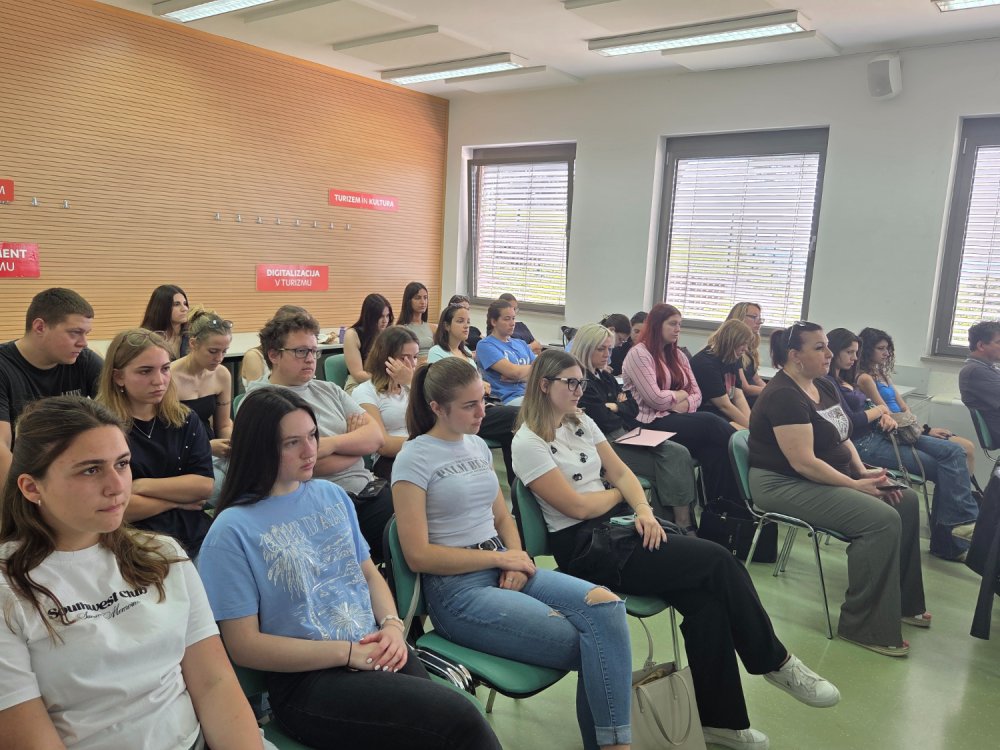
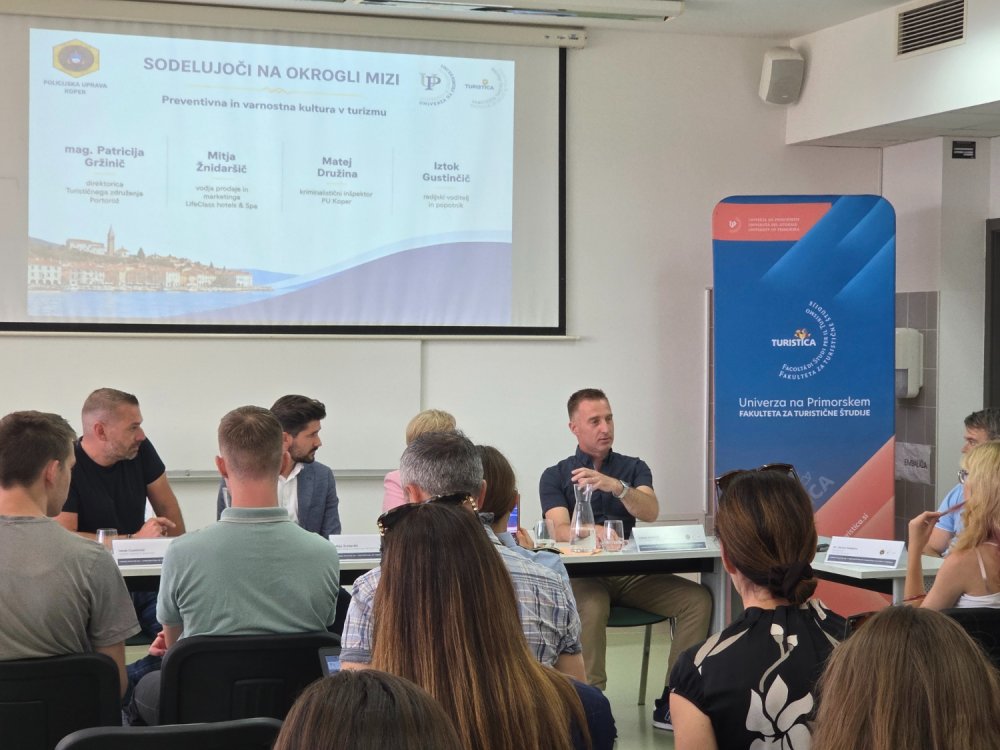
The topic attracted more than 70 participants from various tourism-related fields. At the conclusion of the event, the organisers highlighted that cooperation between institutions and the local community is essential for ensuring safe, welcoming, and sustainable tourism destinations in the long term. All participants agreed that Slovenia is an exceptionally safe country.