World Tourism Day 2020: Tourism and Rural Development

  • Home
  • News
  • World Tourism Day 2020: Tourism and Rural Development

The mission of the University of Primorska is to "contribute to the sustainable social development of the local and wider regional environment." This includes the countryside as well, which we are very well aware of at UP FTŠ Turistica. This year's World Tourism Day is dedicated to Tourism and Rural Development (https://www.unwto.org/world-tourism-day-2020). Rural space has proven to be an extremely suitable venue for tourism activities even in these turbulent times when we face the challenges associated with the Covid-19 pandemic.

At Turistica, we strive to include countryside-oriented contents within our daily pedagogical and project-research work. We have collected some responses from our colleagues, who indicate the active involvement of Turistica in current tourist flows.

Congratulations on World Tourism Day!

assist. prof. Simon Kerma, 
Head of the Department of Cultural Tourism
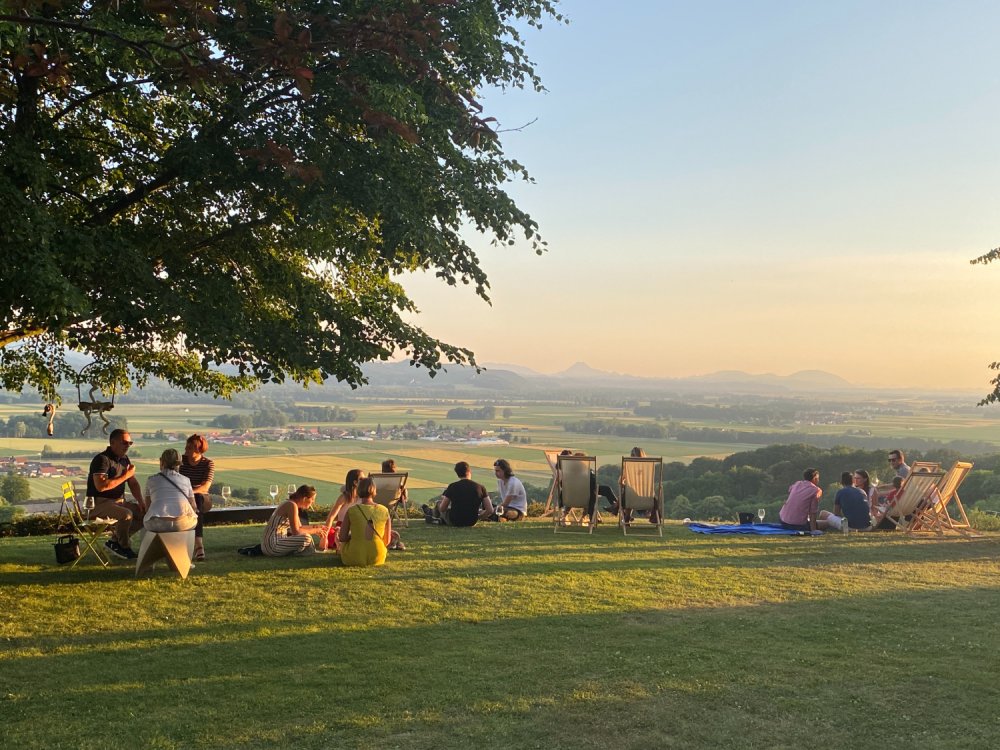
"The future of sustainable rural development depends on the establishment of a holistic / interdisciplinary / multidisciplinary / glocal attitude towards the identity and development potentials of rural areas and on the creative and innovative intertwining of the sectors of agriculture, tourism, gastronomy, culture and education.

We understand the countryside as a very complex and sensitive research and development polygon for the education of future generations of tourism students, who should look for their professional and business challenges in the sustainable development of rural tourism." (assoc. prof. Aleš Gačnik)

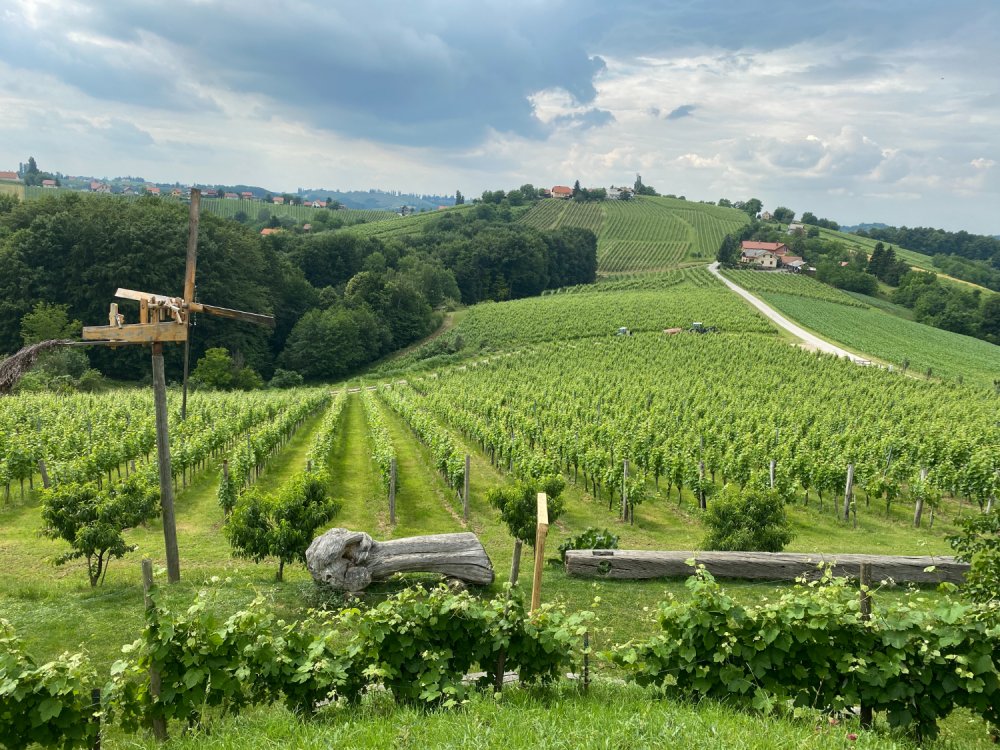
Photo: Aleš Gačnik

"Connecting tourist providers into integral tourism products in the natural parks of Slovenia is a development opportunity of the Slovenian countryside, which already provides new jobs for young people and thus preserves an exceptional natural and cultural heritage." (assoc. prof. Igor Jurinčič)

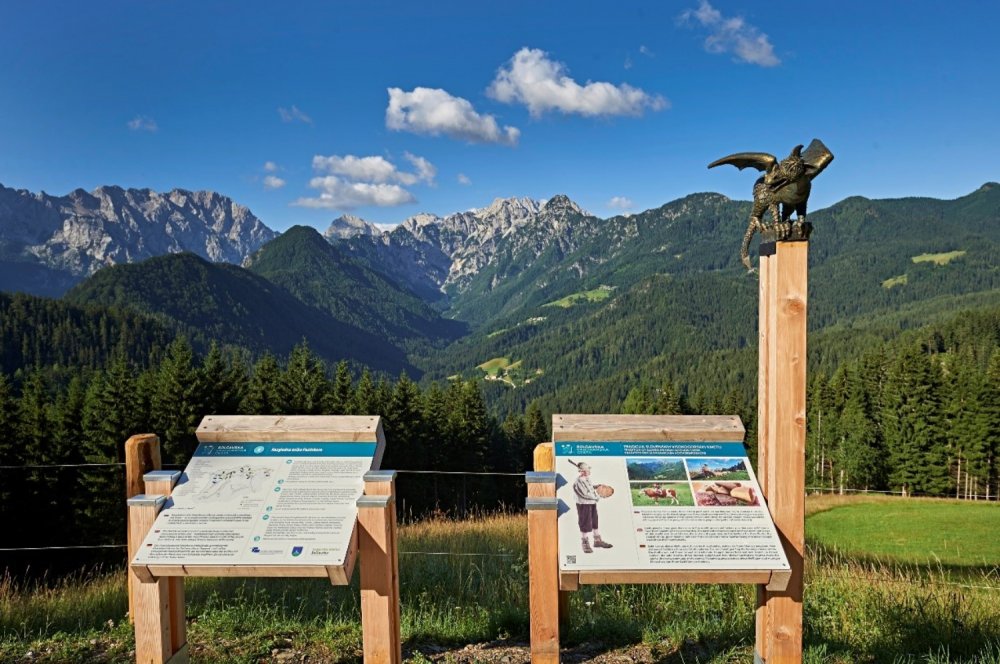
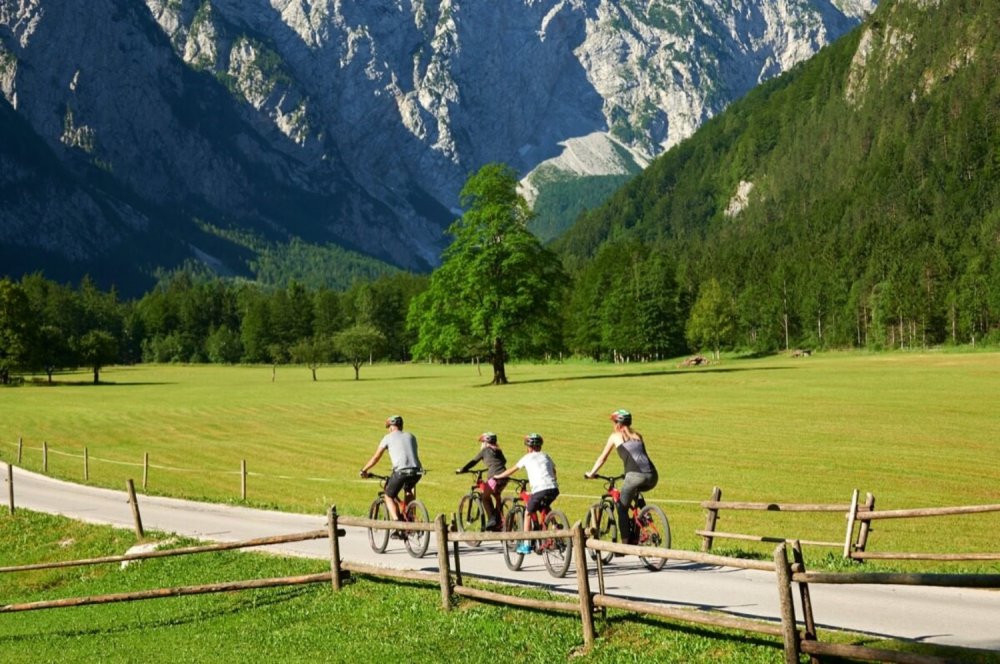
View of Matkov kot and the Kamnik-Savinja Alps from the Solčava panoramic road and Soft mobility in the Logarska dolina valley (Source: https://www.logarska-solcavsko.si/utrinki-iz-nasih-krajev/): 

»Rural tourism is a dispersed organizational system related to the area of a ​​clean environment, natural way of life and healthy habitats. As a complex system, it represents strong interactions between economic, environmental, social, technical, financial, and logistical elements.« (prof. Tadeja Jere Jakulin)

"Every crisis is a challenge, and every challenge requires change. And change is good, as it allows for progress and improvement. Tourism is affected around the world; decline in income, redundancies or complete blockage of operations.People are afraid, and fear disables us, keeps us chained to old patterns, ways of working that are no longer valid now. But man has already gone through changes, overcame difficulties and obstacles, built a better world. Distress often encouraged creative, new and better solutions.We already know so much about tourism that we can say that it is as a person, as a society; it changes, develops, matures. Let this situation be an experience, a moment for reflection and renewal, a hotbed of ideas, bold and right decisions. Decisions that will pave a new, better path to the future of tourism and man." (prof. Ksenija Vodeb)

"Nature-based tourism is on the rise: the challenge is to develop it sustainably and for the benefit of the local communities." (assoc. prof. Matej Vranješ)

"Past and current crises are bringing attention back to the primary cells of tourism - the local and rural experiences of the host destinations." (assoc. prof. Dejan Križaj)

Project LANDS

"Between 2017 and 2020, UP FTŠ Turistica participated in the Erasmus + project "LANDS", which main goal was to connect agriculture and tourism and raise awareness of the importance of agritourism development through capacity strengthening in higher education so that agritourism will play a more active role in society development and improving the quality of life in rural areas. Agritourism in the Western Balkans is not only an important means of diversifying incomes for farmers but can also prevent the high emigration of young people from the region. The role of Turistica in the project was of a consultative nature, which represented the transfer of knowledge, good practices, and experience in the field of agritourism from our home environment." (Peter Kopić, lect.) 

"This year's World Tourism Day on the topic of Tourism and rural development enters an area that we at UP FTŠ Turistica, among other things, researched within several projects. During that, informatization has proved to be one of the important aspects, and the problem is often the inadequate training of tourism providers in rural areas. The valuable helpers are often the children of providers who help to communicate via social media, set up their own website, and accept reservations. However, a number of trainings are already available to help providers bridge this gap. At UP FTŠ Turistica we encourage (and offer the above-mentioned knowledge) that would make the providers as independent as possible from other providers. However, the latter are certainly welcome when the needs of the tourism provider exceed its capabilities. Leaving the care to external providers, on the other hand, has the advantage of the tourism provider devoting itself to its basic mission." (Saša Planinc)

HINT-LAB project: Turistica promotes entrepreneurship for rural tourism

"Rural tourism can only develop successfully and sustainably if it encourages, involves, and connects local providers. We need to design the tourist offer in the countryside as a shop window for local crops, products, and services. The tourist experience of the countryside is experienced as authentic and integral, when various activities are combined, from catering, agriculture, food processing, crafts, cultural-artistic, and sports-recreational. European examples of good rural tourism practice show that well-connected providers contribute to the visibility of products, services, and locations, as well as to the improvement of life, demography and cross-border cohesion of rural areas." (assoc. prof. Aleksandra Brezovec) 

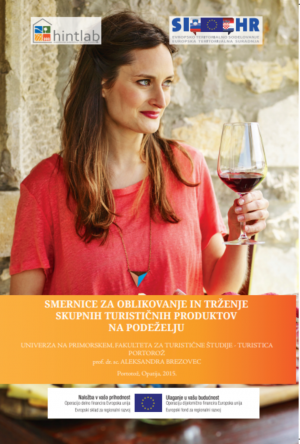
As part of the HintLab project, UP FTŠ Turistica developed freely accessible Guidelines for the design and marketing of joint tourism products in rural areas. (in Slovenian)