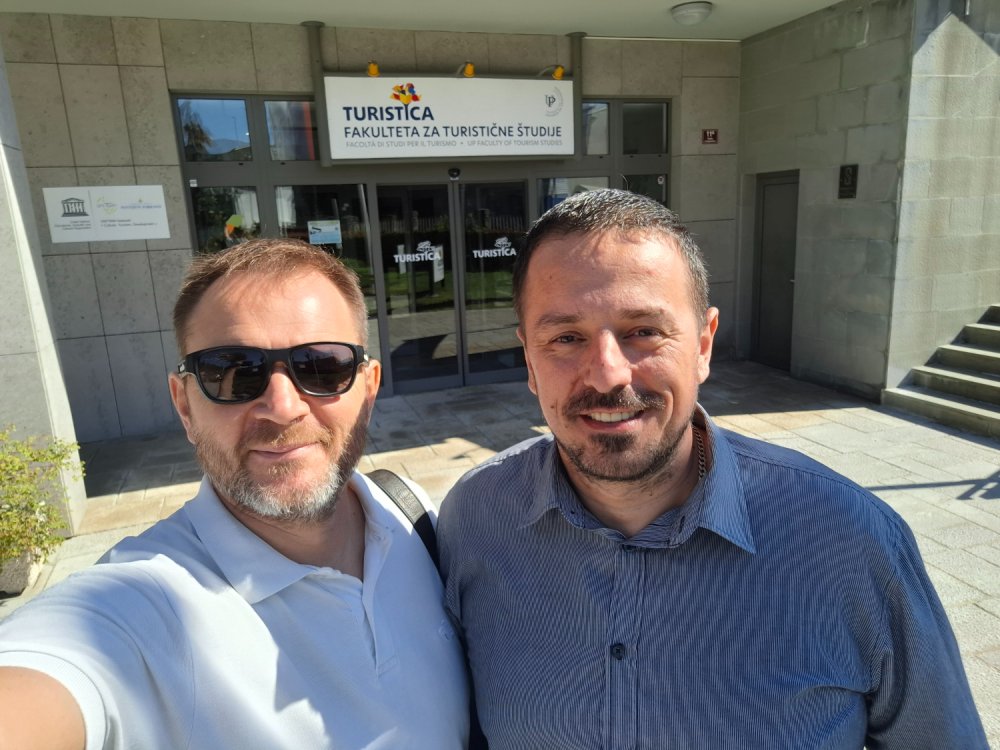
From 28 September to 2 October 2026, UP FTŠ Turistica hosted Dr. Radomir Bodiroga, Associate Professor at the Faculty of Agriculture, University of East Sarajevo, as part of an Erasmus+ staff training mobility (KA171). The aim of the mobility was to strengthen cooperation between the two higher education institutions, particularly in the field of sustainable rural tourism development. Their shared research interests focus specifically on exploring the importance of indigenous and local grape varieties for wine tourism, which is also the subject of an ongoing bilateral research project entitled “Indigenous Grape Varieties in Sustainable Wine Tourism: An Analysis of the Situation in Slovenia and Bosnia and Herzegovina.” Dr. Bodiroga’s visit to Turistica was coordinated by Dr. Simon Kerma, with the support of the International Office.
The mobility programme included meetings with the faculty management and other colleagues. Discussions focused on reviewing existing cooperation and exploring opportunities for future collaboration, exchanging experiences and identified good practices in sustainable rural tourism development in both countries, evaluating local resources and destination management, and developing wine tourism products in Slovenia and Bosnia and Herzegovina.
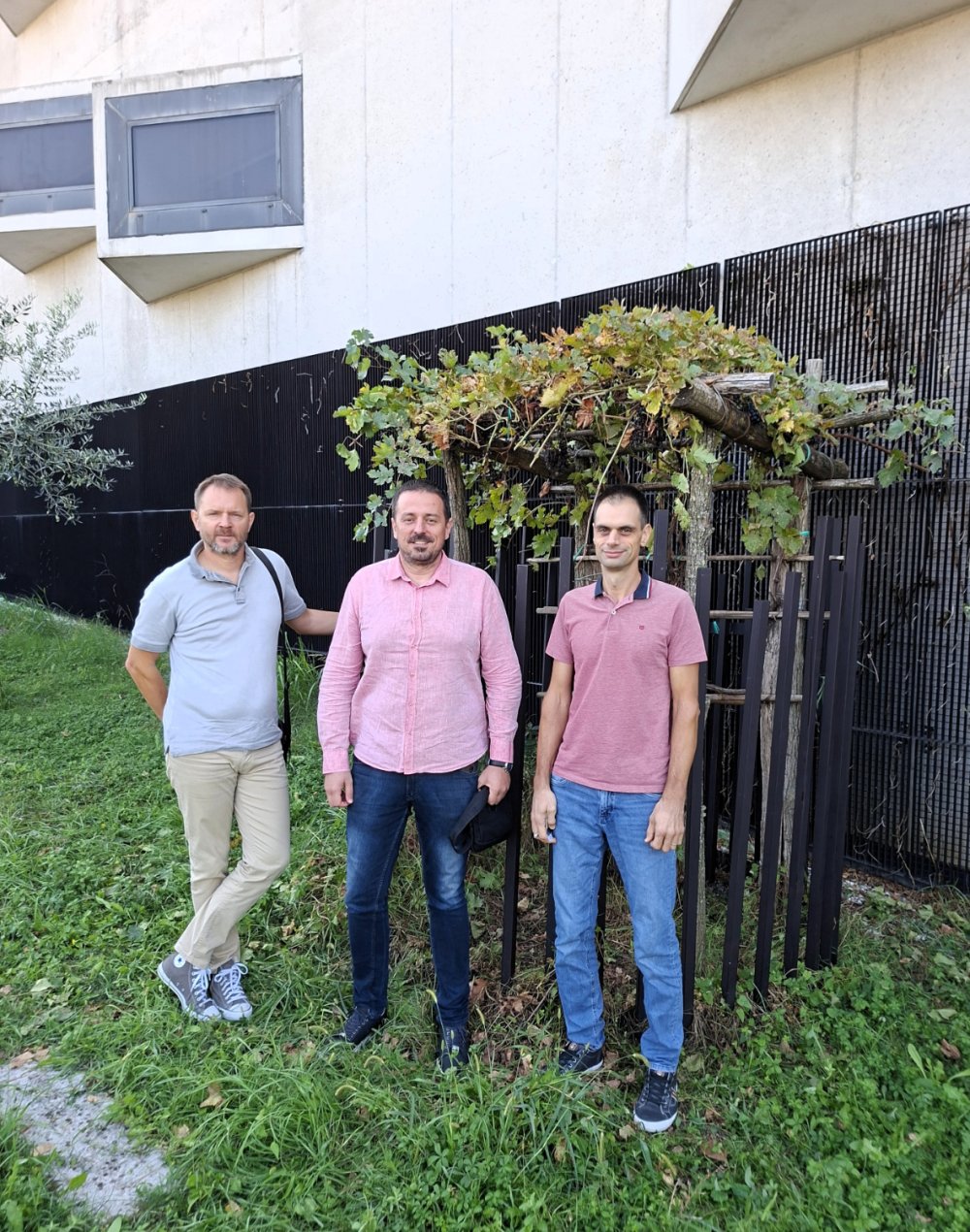
During his visit, Dr. Bodiroga also took the opportunity to meet with colleagues from UP FAMNIT at the Izola Campus, where he was welcomed by Dr. Matjaž Hladnik. Discussions addressed sustainable agriculture, green transition models, traditional (local) grape varieties, and joint research activities within the aforementioned bilateral project.
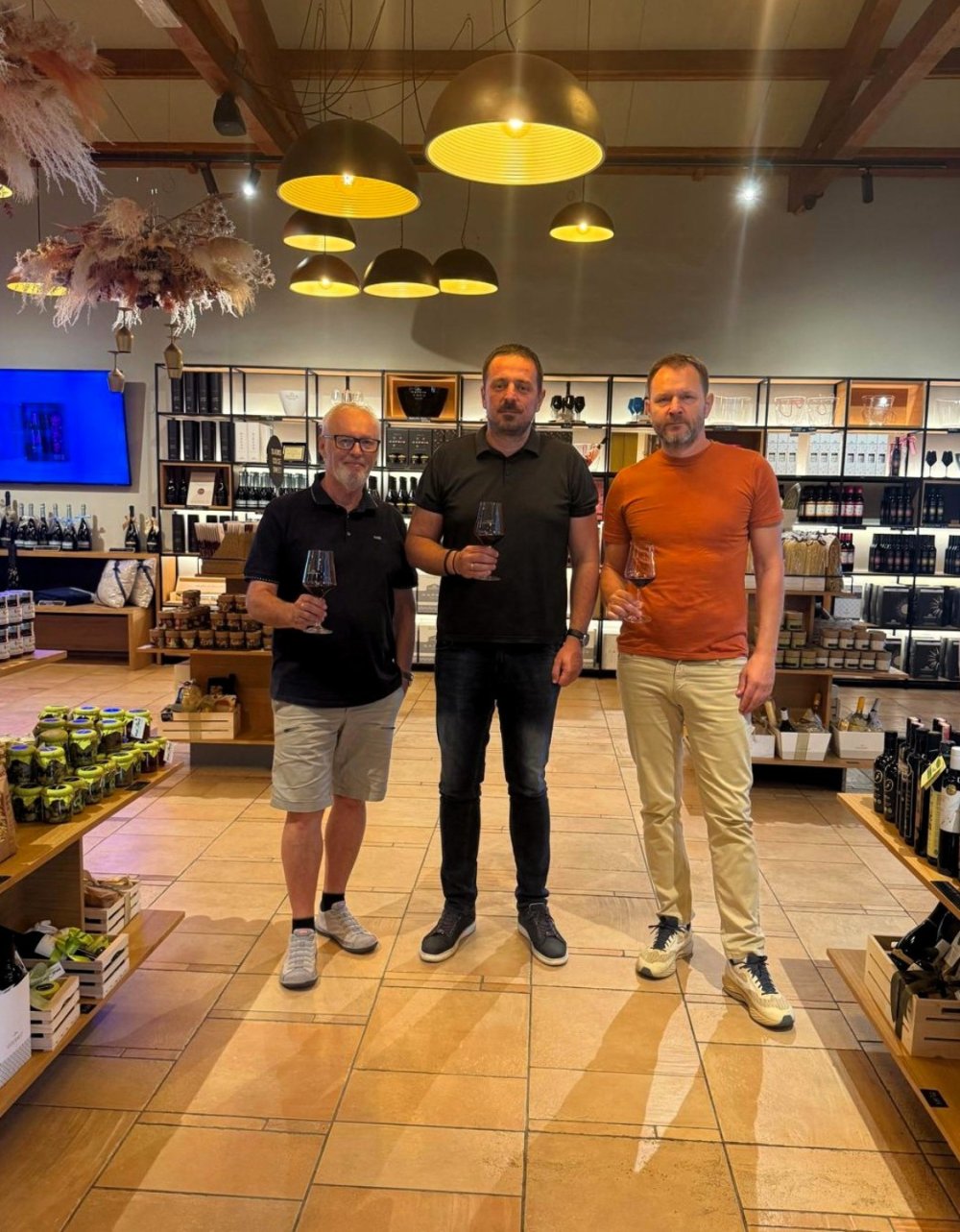
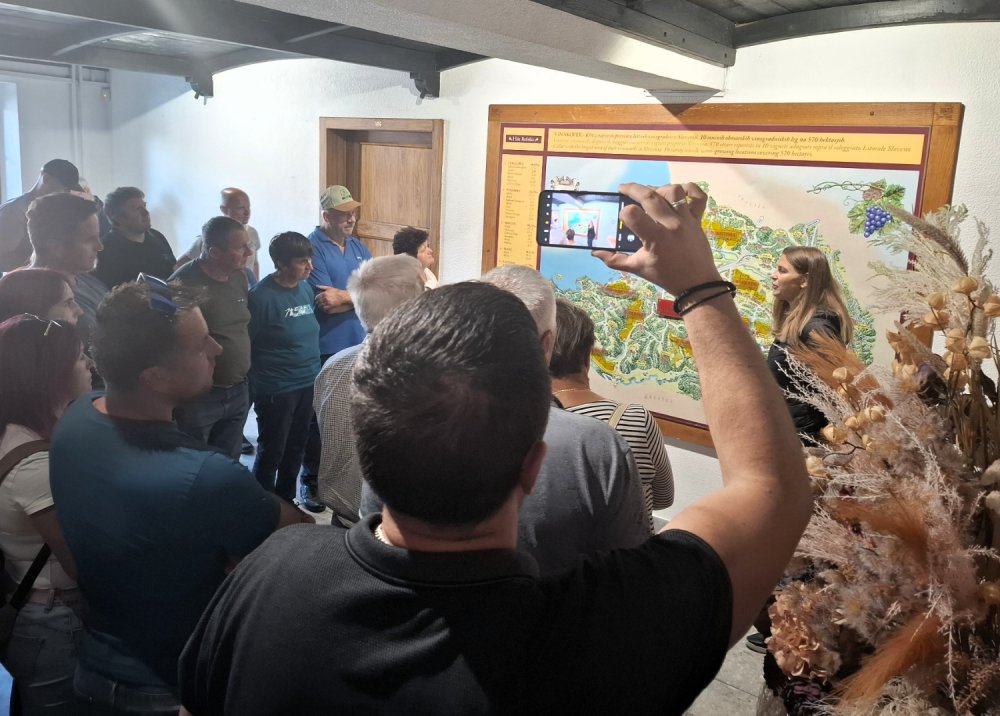
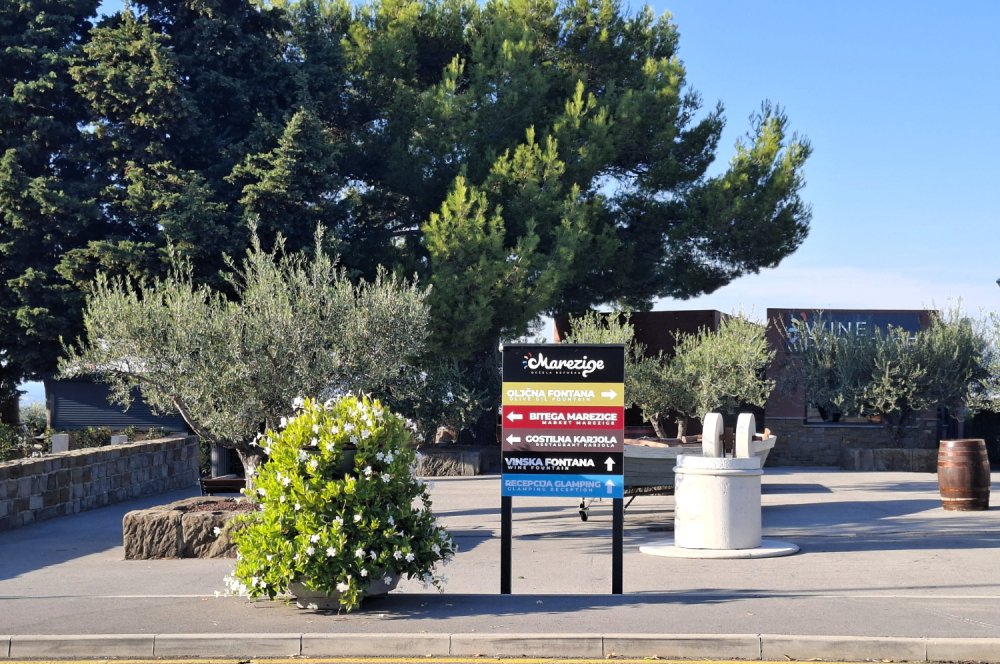
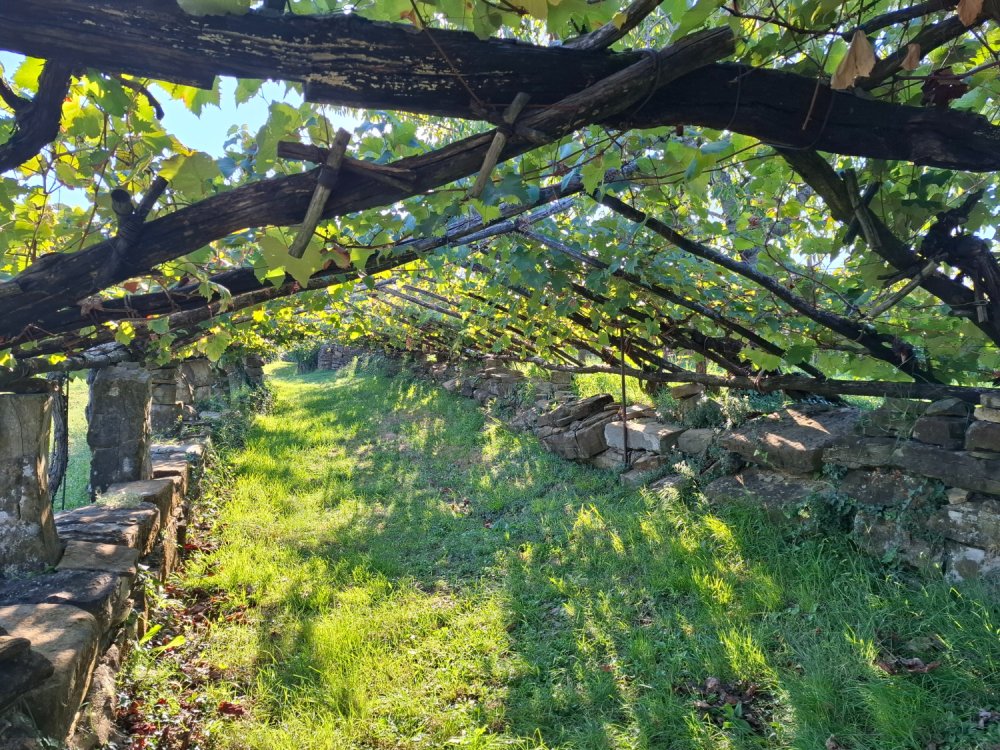
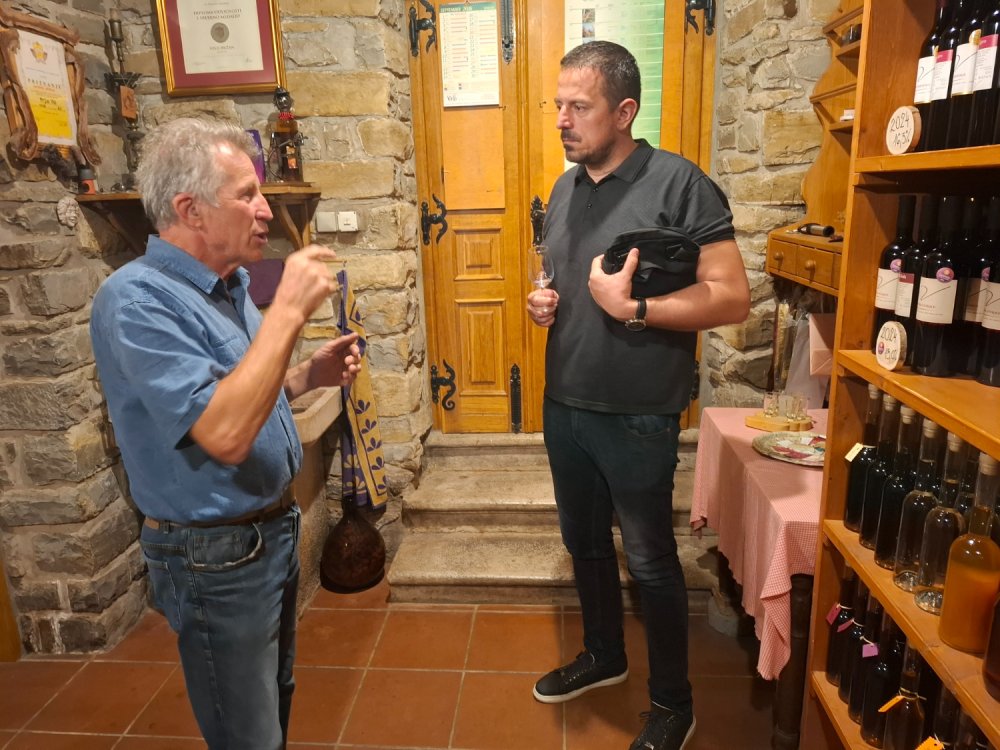
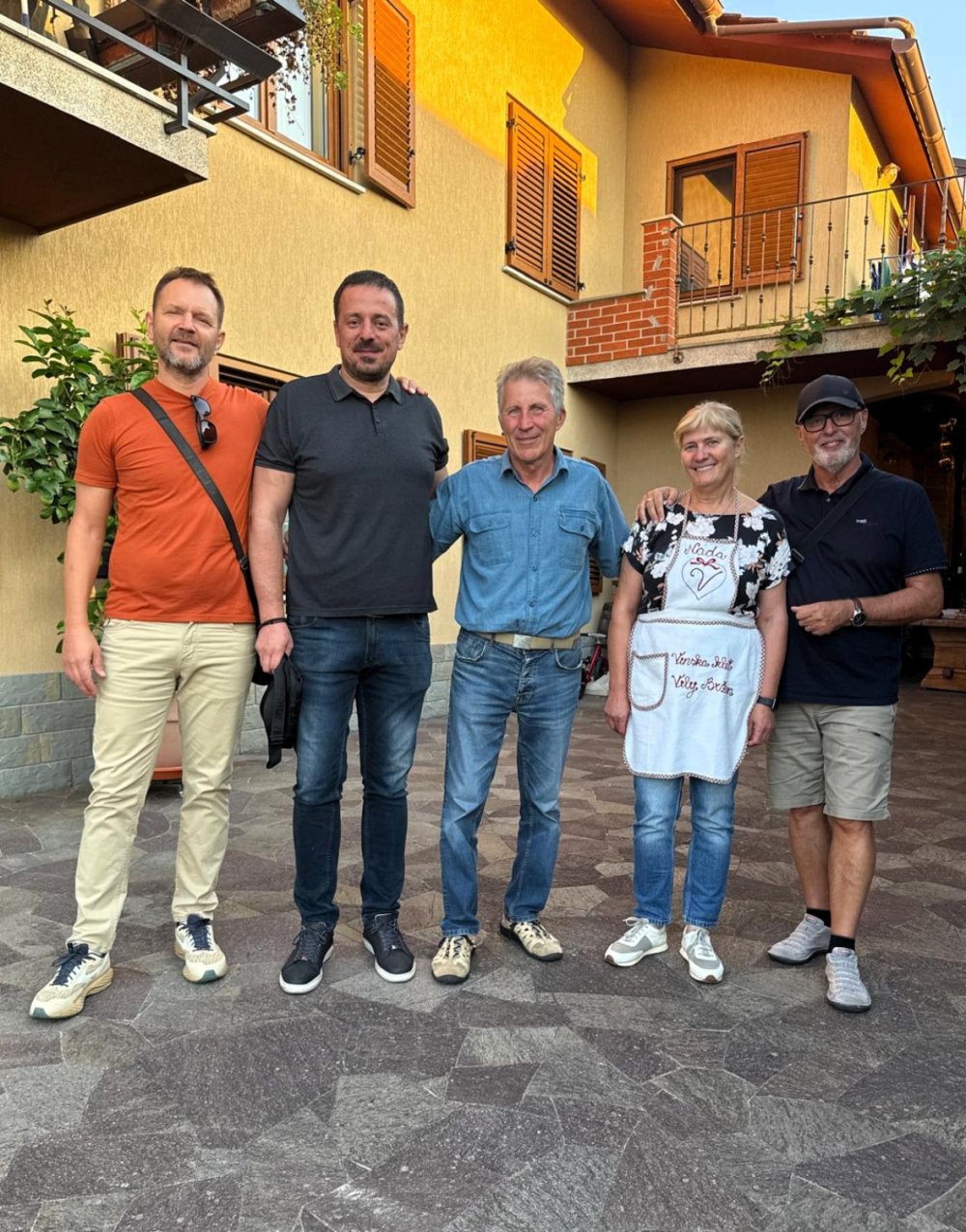
The programme also included field visits accompanied by Dr. Aleš Gačnik, namely a guided professional tour of Vinakoper and a visit to Marezige (the wine fountain and olive oil fountain, Wine Paradise Resort, the oldest Refošk vineyard, and the Bržan wine tourism farm). Discussions explored the role of a larger wine-growing and winemaking enterprise (Vinakoper) in relation to small-scale producers, as well as the development of boutique tourism products.
On the final day, a concluding evaluation was carried out, and a plan for future joint activities and further work on the bilateral project was developed.